
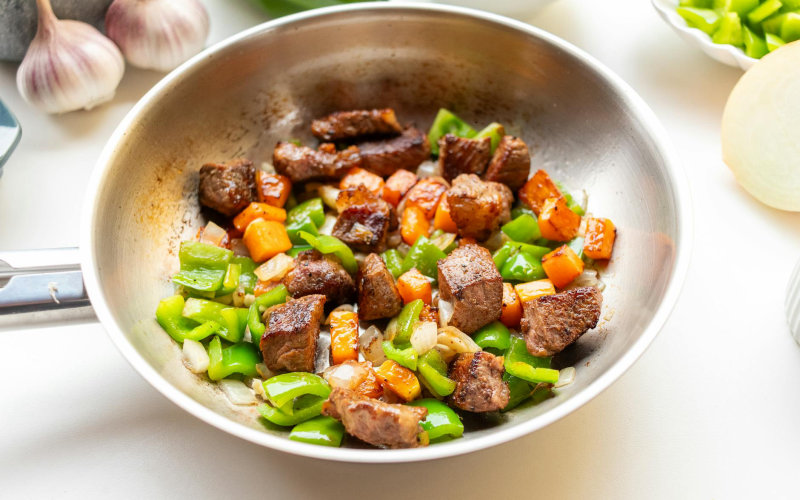


I used to think stir fry was one of those things only restaurants could pull off. You know why—those monstrous 150,000 BTU wok burners that throw flames up the side of a wok like some kind of industrial flamethrower. My sad electric stove never stood a chance. At least that’s what I told myself.
Turns out I was completely wrong. After two years of genuine obsession, 40-something test batches, and more beef than any one person should reasonably consume, I finally figured it out. The secret has nothing to do with the equipment. It’s the technique, the prep sequence, and three ingredients most home cooks never bother with.
What I want you to leave here with today is a genuinely easy beef stir fry recipe at home—one that doesn’t taste like soggy cafeteria disappointment. We’re talking glossy sauce, tender-but-chewy beef, vegetables with real crunch. The whole thing. Let’s get into it.
The Cut of Beef Matters More Than You Think
Stop buying the pre-packaged “stir fry beef” from the grocery store. That stuff is usually sliced too thick, cut along the wrong grain, and often pulled from a tougher part of the animal that really needs slow cooking to behave itself.
What you actually want is flank steak or sirloin. Flank runs about $8–$12 per pound depending on where you live, and a single pound feeds two adults without any trouble. Slice it yourself—against the grain, about 1/4 inch thin. Pop it in the freezer for 20 minutes first and it firms up just enough to slice cleanly without fighting you.
Flap meat (sometimes labeled sirloin tip) is another solid option most people walk right past in the meat case. Cheaper than flank, takes marinade beautifully. I stumbled onto it in 2019 when my store was out of flank steak and I’ve grabbed it regularly ever since.
Velvet the Beef (This Is the Restaurant Secret)
This single technique changed everything for me. Velveting. It’s the reason restaurant beef is so impossibly silky while homemade versions end up chewy and tough.
Here’s how it works: toss your sliced beef with 1 teaspoon of baking soda per pound, a tablespoon of soy sauce, and a tablespoon of cornstarch. Let it sit for exactly 15 minutes—not longer, or the texture turns weirdly mushy. Then rinse it off, pat it dry, and you’re ready to cook.
The baking soda raises the pH on the meat’s surface, which interrupts the protein bonds responsible for toughness. Sounds like something from a chemistry class. Tastes like Panda Express, but honestly better. This is the one step that most easy beef stir fry recipe at home guides quietly skip, and skipping it is why your results keep disappointing you.
Build Your Sauce Before You Touch the Heat
Stir fry moves fast. Embarrassingly fast. Once that pan gets hot, you’ve got maybe 90 seconds before something burns.
So mix your sauce completely and have it sitting in a bowl before you even look at the stove. My go-to ratio—unchanged since 2021 because it flat-out works—is 3 tablespoons soy sauce, 1 tablespoon oyster sauce, 2 teaspoons sesame oil, 1 teaspoon sugar, and 1 teaspoon cornstarch dissolved in 2 tablespoons of water.
But don’t skip the oyster sauce. It brings a savory-sweet depth that’s genuinely hard to replicate with anything else. And that cornstarch in the sauce? That’s what creates the glossy coating that clings to every piece of beef and vegetable instead of just pooling sadly at the bottom of the pan.
Get Your Pan Actually Hot
This is where most home cooks quietly sabotage themselves. They crank the burner, wait maybe 30 seconds, and throw the food in way too early.
You need the pan screaming hot. Cast iron or carbon steel—if you have either—needs a full 3 to 4 minutes over high heat before it’s genuinely ready. Flick a tiny bead of water in there; it should vanish in under a second. That’s your green light.
Add a high-smoke-point oil (avocado or grapeseed, not olive oil), let it shimmer, then add your beef in a single layer and leave it alone for 60 seconds. Just let it sear. That’s what produces the slightly charred, almost smoky flavor that actually tastes like a restaurant. Chefs call it “wok hei”—breath of the wok—and you can get a real version of it at home with this method. I promise.
Vegetables: Timing Is Everything
Not all vegetables cook at the same speed. Obvious when you say it out loud, but most recipes treat them identically and then wonder why the broccoli is raw while the bell peppers have turned to mush.
Here’s the order I use: hard vegetables first (broccoli, carrots, snap peas) for 2 minutes, then medium ones (bell peppers, zucchini, mushrooms) for 1 minute, then soft aromatics (garlic, ginger, green onion) for 30 seconds—tops.
Cut everything before you start cooking. All of it. Your mise en place doesn’t need to be elaborate—just three or four small bowls lined up on the counter. This keeps you from frantically trying to slice a pepper while your beef is actively burning.
Combine and Sauce It Properly
Add the beef back in with your vegetables, then pour the sauce around the edges of the pan rather than directly onto the food, and toss everything together for about 45 seconds.
Pouring along the hot edges lets the sauce caramelize slightly before it coats anything. Small detail. Genuinely big difference in flavor. It’s the kind of thing that makes your guests quietly wonder which restaurant you ordered from.
Taste before you plate. Needs more salt? A tiny splash of soy sauce. Too salty? A squeeze of lime cuts right through it. Cooking is adjusting—not treating a recipe like scripture.
Bottom Line
Here’s something I almost never see anyone else mention: the biggest reason your stir fry tastes like home cooking instead of restaurant cooking isn’t the ingredients or the equipment. It’s the contact. You’re either not moving the food enough, or you’re moving it too much. Restaurant cooks toss the wok constantly because the food needs to stay in contact with the hot surface—not floating around in the hot air above it. At home, use a wide spatula and press-and-fold every 10 to 15 seconds instead of stirring. That direct contact is where the flavor actually lives. Press. Fold. Repeat. That’s your real secret weapon.
Frequently Asked Questions
Can I use chicken instead of beef in this recipe?
Absolutely. Chicken breast or thighs both work well—slice thin and velvet them the same exact way. Thighs stay juicier and forgive you a little if you accidentally overcook them.
What if I don’t have oyster sauce?
Hoisin is your best substitute, though it runs sweeter. Use the same amount and add a small splash of fish sauce if you have it—that brings back some of the savory depth you’d otherwise be missing.
How do I store and reheat leftovers?
Airtight container, refrigerator, up to 3 days. Reheat in a hot skillet with a tablespoon of water—not the microwave. The microwave turns beef rubbery and vegetables limp. Thirty seconds in a pan brings it back almost entirely.
Why is my stir fry watery?
Two likely culprits. Either the pan wasn’t hot enough when you added the food, or you crowded it. Too much food at once drops the temperature fast and everything steams instead of searing. Cook in batches if you’re feeding more than two people—it’s worth the extra few minutes.
Photo by Laura oliveira on Pexels