
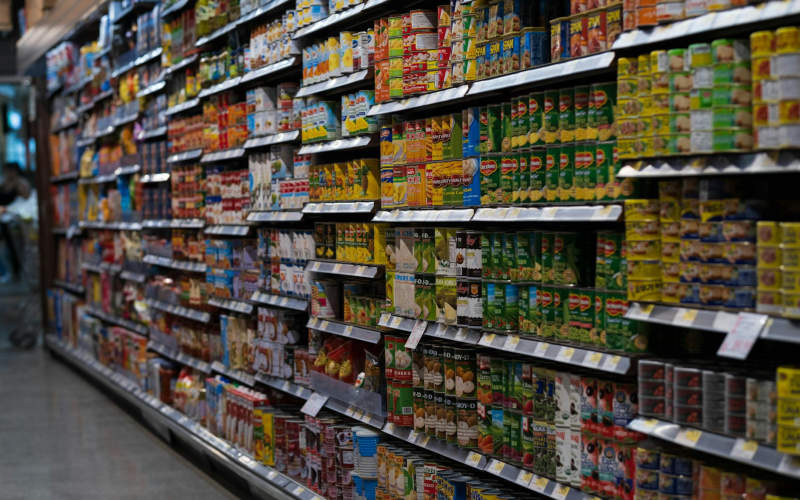


I’ve been doing this for years. Every Saturday morning, before I ever set foot in a Whole Foods or a Publix, I make a loop through the Asian grocery two miles from my house, the Mexican tienda on the corner, and sometimes the Indian market off the highway. The difference in my grocery bill isn’t small. We’re talking $30-50 saved on a single run, consistently, week after week.
Here’s what most people miss: ethnic specialty markets aren’t just cheaper on exotic imports. They’re cheaper on stuff you’re already buying at full price somewhere else. Staples. Everyday ingredients. Things you’d never guess had a better deal sitting in a different store five minutes away.
So here’s exactly what I buy, why it costs less there, and what to look for.
1. Dried Spices
This one isn’t even close. A 2-ounce jar of cumin at a typical Kroger runs you $4.99, sometimes more. At a Middle Eastern or Indian market? You can grab a full pound for $3-4. Same spice. Dramatically different packaging logic.
Indian grocery stores like Patel Brothers (a chain with 50+ U.S. locations) sell spices in bulk bags because their customers actually cook with them. You’re not paying for a pretty McCormick label.
2. Fresh Herbs
Cilantro at a regular supermarket is often 98 cents to $1.49 for a sad, thin bunch. At a Latin or Vietnamese market, you’ll get a massive bunch — three times the volume — for the same price or less.
Same goes for Thai basil, lemongrass, and green onions. Buy these anywhere else and you’re genuinely throwing money away.
3. Rice
Fifty pounds of jasmine rice at an Asian market runs around $25-30. That same quality rice in smaller bags at a mainstream store costs proportionally double. If your household eats rice more than twice a week, this single switch pays for itself fast.
And the quality is often better, not worse. Fresher milling dates, better storage turnover.
4. Dried Beans and Lentils
A 2-pound bag of red lentils at a Whole Foods near me was $4.99 last time I checked. At the Indian market down the street, a 4-pound bag of the same dal was $3.49. That’s not a typo.
Black beans, chickpeas, pinto beans — all of them hit way harder on your wallet at a Latin or Middle Eastern market.
5. Coconut Milk
Name-brand coconut milk (Thai Kitchen, etc.) at mainstream stores typically runs $2.50-3.50 per can. At an Asian grocery, store-brand or regional Thai varieties cost $0.99-1.29. The ingredients are identical. Sometimes the store-brand version is manufactured by the exact same supplier.
6. Fresh Produce — Specific Varieties
Mangoes. Plantains. Bitter melon. Daikon radish. Taro root. If your standard grocery store even carries these, expect to pay a premium just for the novelty of stocking them.
But at markets where these are routine purchases, prices reflect actual demand. I bought 6 ripe Ataulfo mangoes at a Mexican grocery for $2.99 in 2023. The same variety at my local Trader Joe’s was $1.29 each.
7. Fish Sauce and Soy Sauce
A big bottle of Tiparos or Megachef fish sauce at an Asian market: around $2-3. At a typical American supermarket, a tiny bottle of anything comparable hits $4-6 easy.
8. Tofu
Fresh or refrigerated tofu from an Asian market is fresher, comes in more textures, and costs 30-40% less than the Nasoya brand you’re grabbing at the regular store.
9. Cooking Oils — Specifically Sesame and Coconut
Both oils carry premium pricing at chain stores. Both are absolutely routine items at Asian and Indian markets. The savings aren’t dramatic per bottle, but they compound across a year in ways you’ll actually notice.
Bottom Line
Here’s something nobody really talks about: the reason these items are cheaper isn’t just buying power or volume. It’s cultural expectation. When a community considers something a staple, the market serving them can’t mark it up absurdly — their customers would notice instantly. You’re essentially borrowing someone else’s community’s price expectations. That’s the real arbitrage here. Shop where people actually cook what you’re buying.
Frequently Asked Questions
Are ethnic specialty markets safe and clean?
Yes. They follow the same USDA and local health inspection requirements as any other grocery store. Many have been family-operated for decades with excellent reputations.
How do I find ethnic markets near me?
Google Maps works well — search “Indian grocery,” “Asian market,” or “Mexican tienda” plus your city. Yelp reviews often mention pricing specifically.
Do I need to buy in bulk to get the savings?
Not always. Many items like herbs, produce, and canned goods are cheaper even in small quantities. Bulk buying amplifies the savings, but it’s not required.
Will the brands be unfamiliar?
Sometimes, yes. But unfamiliar doesn’t mean lower quality. Many regional Asian and Indian brands actually hold stronger quality standards for their home markets than the export versions of Western brands you already buy.
Photo by ha ha on Pexels