


I’ve been grocery shopping for my family of four for over a decade, and the single biggest shift that changed what we ate—without blowing up our budget—wasn’t some fancy meal plan or a nutritionist appointment. It was learning where food lives in a grocery store. Physically. Like, which section of the building holds what.
The old advice is “shop the perimeter.” You’ve probably heard it. But most people don’t know why it works, or how to use the center aisles without getting ambushed by your worst impulses and a cart full of Oreos.
Here’s the full picture—practical, real, and actually useful.
Why the Perimeter Rule Exists (And Why It’s Not Magic)
Grocery stores aren’t designed by nutritionists. They’re designed by retail psychologists. The perimeter—produce, meat, dairy, seafood, bakery—holds fresh, whole foods because those sections need refrigeration and constant restocking. That’s logistics, not some health-conscious corporate policy.
But the result works in your favor anyway. Fresh vegetables, eggs, chicken thighs, plain Greek yogurt, salmon fillets—these are the foods doing most of the heavy nutritional lifting. Mostly unprocessed. Mostly just… food.
So yes, starting your shopping lap around the edges is genuinely smart.
What You’re Actually Getting on the Perimeter
Produce is your foundation. A 2022 USDA report found that Americans who met federal vegetable intake guidelines spent only about $2.10 more per day on food than those who didn’t. Two dollars. That’s less than a gas station coffee.
Meat and seafood can feel expensive, but they don’t have to be. Bone-in chicken thighs at most Kroger or Publix stores run $1.49–$1.99 per pound. Frozen salmon (also perimeter, usually) clocks in around $6–$8 per pound but stretches surprisingly far across a meal. And eggs? Still one of the best protein-per-dollar foods on the planet.
Dairy is where you slow down and actually read labels. Plain whole-milk yogurt versus the fruit-on-the-bottom kind is often a 15-gram sugar difference per serving. Same shelf. Very different product.
The Center Aisles Aren’t Evil—They’re Just Loud
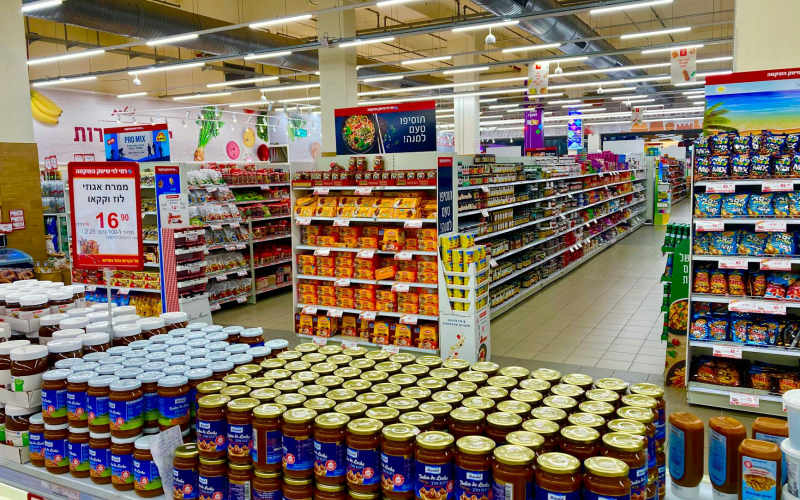
This is where the internet gets it wrong. And I mean genuinely, frustratingly wrong. The center aisles are loud—colors, mascots, end-cap displays all competing for your attention at once. But buried in those aisles are some of the most economical healthy foods you can buy.
Canned black beans. Dried lentils. Brown rice. Canned tomatoes. Olive oil. Old-fashioned rolled oats. These aren’t junk—they’re the staples that form the backbone of the Mediterranean diet, which a 2018 study in the New England Journal of Medicine linked to a 30% reduction in major cardiovascular events. Frozen vegetables live in some center sections too, depending on the store layout.
So “avoid the center aisles” is lazy advice. Better advice: go in with a list, and don’t browse.
How to Build Your Actual Shopping Strategy
Start on the perimeter. Always. Fill your cart with produce first—it takes up space, which is honestly a useful psychological trick, since a full cart feels wrong to keep piling onto.
Then make deliberate center-aisle runs. Not wandering. Specific: aisle 4 for canned goods, aisle 7 for grains. I literally write aisle numbers on my list when I’m shopping somewhere I know well. It sounds neurotic. It works.
Skip the center aisles that are pure processed noise—cookies, chips, soda, boxed mac and cheese (the fluorescent orange kind). You know which ones. Walk past them fast.
The Budget Angle Nobody Talks About Enough
Here’s something I tracked over six weeks in early 2023: my average weekly grocery spend for four people was $187 when I shopped perimeter-heavy with targeted center-aisle picks. When I got lazy and grabbed convenience foods instead, it crept up to $224. Same store. Roughly the same meals.
Processed food is expensive per serving. A bag of Goldfish crackers costs $4.50 for maybe 8 servings. A pound of rolled oats costs $1.79 and makes 10+ breakfasts. The math isn’t complicated once you actually run it.
Reading Labels When You Must Go Deep
Some center-aisle items require real scrutiny. Bread, for instance. Most supermarket bread—even stuff marketed as “whole grain”—lists enriched flour as the first ingredient. Look for “100% whole wheat” at the top of the ingredient list. Brands like Dave’s Killer Bread or Ezekiel 4:9 are at least honest about what’s inside.
Pasta sauces are another landmine. Sugar content swings wildly between brands. Rao’s Homemade marinara has 4g of sugar per half-cup. Prego Traditional has 10g. Same shelf. Worth knowing before you grab.
Frozen Foods Section: The Underrated Wildcard
Frozen vegetables are often more nutritious than their fresh counterparts because they’re flash-frozen at peak ripeness. A 2017 study from UC Davis confirmed that frozen spinach retained higher levels of certain vitamins than fresh spinach that had been sitting in a store display for several days. That “fresh is always better” assumption? Not always true.
Frozen fruit follows the same logic. And it typically runs 30–40% cheaper than fresh, especially for berries in winter.
Don’t overlook this section. It’s genuinely one of the better moves you can make on a tight budget.
Bottom Line
Here’s the insight I haven’t seen spelled out anywhere clearly: the perimeter vs. center aisle distinction isn’t really about health—it’s about decision fatigue. The perimeter limits your choices by its very nature. Broccoli is broccoli. Chicken breast is chicken breast. You can’t really get tricked. But the center aisles are crammed with what I’d call “nutritional theater”—products dressed up with health claims that require you to read, compare, and resist aggressive marketing at every turn.
So the real strategy isn’t to avoid the center aisles entirely. It’s to enter them only when you’ve already made a decision, not when you’re browsing. Spend your mental energy on the perimeter, where whole foods are basically self-explanatory, and then make a surgical strike on the center when you need specific staples you’ve already written down.
That mental shift—decision-first, aisle-second—is worth more than any food rule I’ve ever followed.
Frequently Asked Questions
Is it really true that healthier food costs more at the grocery store?
Not always. Dried beans, oats, frozen vegetables, eggs, and canned fish are all inexpensive and genuinely nutritious. The “healthy food is expensive” perception mostly comes from comparing organic produce or specialty items against conventional processed snacks. Compare basics to basics and the price gap nearly disappears.
Can I trust “healthy” labels on center-aisle products?
Mostly no. Terms like “natural,” “multigrain,” and “made with whole grains” aren’t strictly regulated by the FDA the way you might assume. Always flip the package and read the actual ingredient list. If the first ingredient isn’t something you’d recognize in your own kitchen, be skeptical.
How do I stick to perimeter shopping when I’m in a hurry?
Make a template list—seriously, one you reuse and just update weekly. When you shop from a pre-built list, you’re making decisions at home when you’re calm and not hungry, not standing in the aisle while a Cheez-It display stares you down. Takes five minutes on Sunday. Saves 20 minutes and about $30 at the store.
What are the best center-aisle staples worth buying every week?
Canned tomatoes, canned beans (black, chickpea, kidney), dried lentils, rolled oats, brown rice or quinoa, olive oil, low-sodium broth, and canned fish like tuna or sardines. These items form the core of cheap, healthy cooking and none of them require much label-reading once you know which brands you trust.
Photo by Aqsawii on Pexels