
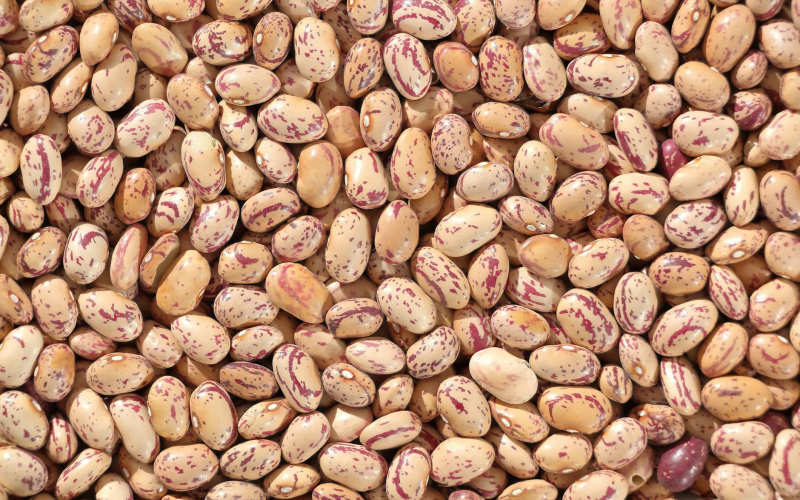


I’ve been cooking beans wrong for years. Or so people kept telling me every time I cracked open a can of Goya chickpeas instead of soaking dried ones overnight like some patient, virtuous home chef. But here’s what nobody actually says out loud: the “right” answer depends entirely on what you’re making, when you’re making it, and honestly, who’s showing up for dinner.
This isn’t a winner-takes-all situation. Both forms have genuine advantages that cookbook writers tend to bury under vague proclamations like “dried beans have superior flavor.” Sure. But do they? Always? Let’s actually dig into that.
The Taste Question Nobody Answers Honestly
Dried beans win on texture. Full stop. Cook a pot of dried Rancho Gordo heirloom Scarlet Runner beans from scratch and the skins stay intact, the centers go creamy without turning to mush, and the cooking liquid becomes this silky, starchy broth you’d be genuinely crazy to pour down the drain.
But canned beans aren’t bad. They’re just different. Softer—sometimes too soft for salads or grain bowls where you want a little resistance—but for soups, stews, and anything pureed, they perform almost identically. Your hummus isn’t going to suffer because you reached for canned chickpeas. I promise.
So the real taste gap only surfaces in specific dishes. Bean salads. Slow-braised pots. Refried beans where texture actually shows up on the plate.
What the Nutrition Numbers Actually Say
Here’s where people get confused. A 2020 analysis published in the journal Nutrients found that canned beans retain roughly 70-90% of the protein and fiber in their dried counterparts after processing. The main casualty? Sodium. Canned beans can hit 400-500mg per half-cup serving versus essentially zero in home-cooked dried beans.
But rinsing canned beans under cold water for 30 seconds cuts that sodium by about 40%, according to research from the University of Tennessee. Simple fix. Closes most of the nutritional gap right there.
And dried beans do hold one genuine edge: more resistant starch, which feeds gut bacteria and improves blood sugar response. If that matters to your health goals, dried beans are worth the extra time investment.
The Real Convenience Math
Canned beans: 0 minutes of active prep. Open, rinse, done.
Dried beans without soaking (quick boil method): 60-90 minutes. Dried beans with an overnight soak: 8 hours of passive waiting plus 45 minutes of actual cooking.
What I think people forget, though, is that cooking dried beans doesn’t demand your attention for most of that time. You’re just waiting. And if you own an Instant Pot or any pressure cooker, dried black beans are ready in 25 minutes with zero soaking required. The convenience gap shrinks dramatically once you have the right equipment.
Cost Breakdown (Real Numbers)
A one-pound bag of dried black beans runs about $1.50-$2.00 at most grocery stores and yields roughly 6 cups of cooked beans. That same volume in canned form costs you around $5-6 (three 15-oz cans at $1.70-$2 each). You’re paying nearly triple for the convenience.
Over a year, if your household eats beans twice a week, that difference adds up to roughly $300-400 in savings from cooking dried. Not nothing.
When Canned Beans Are the Smarter Call
Weeknight dinners where you remembered beans exist at 6pm. Recipes calling for small amounts (half a can, not worth soaking a whole pound for that). Camping trips. Any situation where the beans are getting smothered in sauce anyway and nobody’s going to notice the texture difference.
When Dried Beans Are Absolutely Worth It
Sunday cooking sessions where you’re already in the kitchen for hours. Dishes where beans are the actual star—your slow-cooked ribollita, your Brazilian feijoada. Anytime you’re feeding a crowd and the budget genuinely matters.
Bottom Line
Here’s my actual take, and I haven’t seen anyone else frame it quite this way: your canned vs dried decision should be made at the dish level, not the lifestyle level. Stop picking a team. Keep both in your pantry. Use canned beans the way you use pre-sliced bread—not inferior, just suited to different moments. The cooks who gatekeep dried beans as the only acceptable choice are optimizing for pride, not dinner.
Frequently Asked Questions
Do canned beans taste worse than dried beans?
Not always. In soups, purees, and heavily sauced dishes, most people genuinely can’t tell the difference. The gap shows up most in dishes where beans stand alone—salads, simple sides, bean-forward stews where texture actually registers.
Is it worth soaking dried beans overnight?
Soaking reduces cook time and can make beans easier to digest by breaking down some of the oligosaccharides that cause gas. But it’s not mandatory—unsoaked beans cooked low and slow turn out great, you just need to budget extra time.
Are canned beans safe to eat straight from the can?
Yes. Canned beans are fully cooked during the canning process. Rinsing is recommended to cut sodium and improve flavor, but they’re completely safe to eat cold straight out of the can.
Which beans are best to always buy dried versus canned?
Buy dried: chickpeas (the texture difference is obvious in salads and when roasting), large heirloom varieties like corona beans, and anything you’re making in bulk. Buy canned: lentils are actually fine from a can, and black beans or kidney beans for quick weeknight cooking work perfectly without any compromise.
Photo by Mustafa Akın on Pexels