
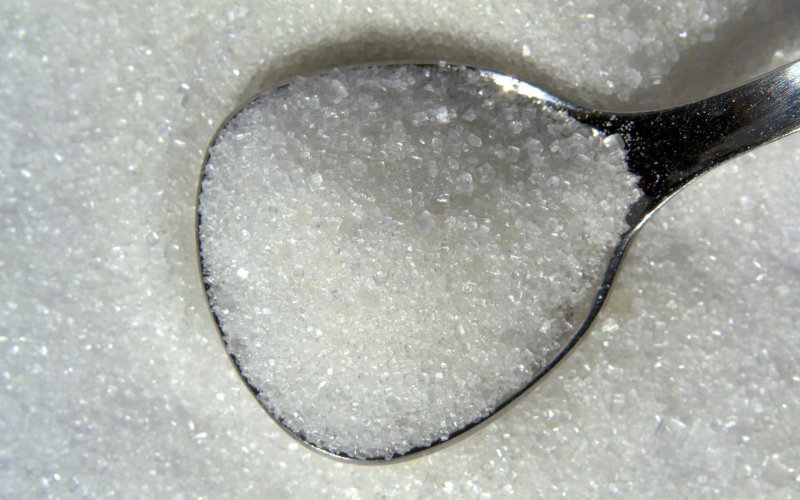


I used to think I was buying healthy food. Genuinely. My cart had yogurt, granola, “whole grain” crackers, flavored oatmeal — the whole virtuous lineup. Then a nutritionist friend looked at my haul and started laughing. Not meanly. Just knowingly. Turns out I was quietly drowning in sugar while convinced I was eating clean.
The food industry is genuinely brilliant at this. Not illegal, not exactly dishonest — just extraordinarily strategic. And unless someone walks you through the specific tricks they use, you’ll keep missing it. So that’s what this is.
Here’s how to read a label the way someone with actual nutrition training does.
Look at the Ingredient List, Not Just the Nutrition Facts Panel
Most people glance at “Total Sugars” and move on. Bad move. That number tells you how much, but it doesn’t tell you where it’s coming from or how processed the source is.
The ingredient list is where the real story lives. Ingredients run in order by weight, heaviest first. So if sugar shows up in the first three? That product is basically a sugar delivery vehicle with some branding slapped around it.
But here’s the twist — manufacturers deliberately split sugar across multiple ingredient names so none of them individually ranks high enough on the list to raise alarm. Smart. Maddening. Worth knowing.
Memorize the 60+ Names for Sugar
This is the big one. Sugar appears on labels under at least 61 different names — I’ve counted, and researchers at UC San Francisco published a confirmed list back in 2012, and it’s only expanded since then.
Some obvious ones: sucrose, glucose, fructose, dextrose. Sure, most people catch those. But what about maltodextrin? Agave nectar? Evaporated cane juice? Fruit juice concentrate? Barley malt? Every single one of those behaves like sugar once it’s inside your body.
My personal rule: spot three or more of these names anywhere in the ingredient list and that product is heavily sweetened — regardless of whatever cheerful claim decorates the front of the package.
The Serving Size Con
This one makes me genuinely angry every time I think about it. A 16 oz bottle of Snapple Lemon Tea once listed its nutrition facts per 8 oz serving. So the sugar read as 23g. Manageable, right? Drink the whole bottle — which, let’s be honest, everyone does — and you’ve just had 46g. That’s more than a can of Coke.
Always multiply. Always ask whether the serving size reflects how you’d actually consume the thing. This single habit will change how you shop more than almost anything else.
“No Added Sugar” Doesn’t Mean Low Sugar
Fruit-based products exploit this one constantly. A product can wear the “no added sugar” label and still pack 25g of sugar per serving from concentrated fruit juice or dried fruit. Your body processes it the same way either way.
Watch for phrases like “sweetened with fruit juice,” “made with dates,” or “contains only natural sugars.” Natural doesn’t mean metabolically neutral. It just means the marketing team found a prettier word.
Front-of-Package Claims Are Marketing, Full Stop
“Reduced sugar.” Reduced from what, exactly? A 2021 Consumer Reports analysis found that several “reduced sugar” cereals still contained over 6g of added sugar per serving — just less than their original, almost comically sweet versions.
“Lightly sweetened.” There’s no legal definition for that phrase. None whatsoever. A company can print it on anything they want.
The front of the package is a billboard. The back is the actual contract. Read the contract.
Check the % Daily Value for Added Sugars
Since 2020, the FDA requires manufacturers to list added sugars separately, complete with a % Daily Value. This is actually useful. The daily ceiling is 50g of added sugar for a 2,000-calorie diet.
So if your “healthy” breakfast item burns through 30% of that daily value in one serving — that’s 15g of added sugar before you’ve touched lunch. Put it back on the shelf.
Bottom Line
Here’s something I’ve rarely seen spelled out clearly: the most sugar-laden products in any grocery store are almost never in the candy aisle. They’re in the health food section — the protein bars, the flavored yogurts, the organic granolas. The openly sugary stuff knows what it is. It’s the products pretending to be virtuous that’ll quietly get you. Start your label-reading habit there, not in the snack aisle, and you’ll uncover more hidden sugar in a single shopping trip than you would in a month of avoiding obvious junk food.
Frequently Asked Questions
How many grams of sugar should I look for on a label?
For a snack or side item, anything over 6g of added sugar per serving deserves a second look. For a main meal product, I’d try to stay under 10g. The WHO recommends keeping total daily free sugar intake below 25g — roughly 6 teaspoons — so even amounts that seem small add up faster than you’d expect.
Are natural sugars like honey or maple syrup better than regular sugar?
Nutritionally? Barely. Honey has trace minerals and a marginally lower glycemic index than white sugar, but the gap is small enough that it really shouldn’t shift your purchasing decisions. If a product uses honey as its primary sweetener, it’s still a high-sugar product. The jar just has a more wholesome aesthetic.
What’s the fastest way to check a label for hidden sugar?
Flip straight to the ingredient list and count how many sugar-related names appear. More than two? Be skeptical. Then check the % Daily Value for added sugars. That two-step check takes about ten seconds and covers roughly 80% of what you need to know.
Are sugar alcohols like erythritol and xylitol better options?
They carry fewer calories and don’t spike blood sugar the same way, yes. But a 2023 Cleveland Clinic study of around 4,000 patients found higher cardiovascular risk associated with elevated erythritol levels — so “better than sugar” doesn’t automatically mean “good.” I wouldn’t panic about it. But I wouldn’t be cavalier about it either.
Photo by Irma Sjachlan on Pexels