


I didn’t fully appreciate my sheet pan until a Tuesday in February 2019. I had 35 minutes, a bag of chicken thighs, half a head of broccoli, and absolutely zero desire to wash more than one dish. That meal changed how I cook on weeknights forever.
And honestly, I know I’m not alone. Most of us are juggling work, kids, errands, and the general chaos of just being alive—and pulling together a balanced dinner at 6:30pm shouldn’t require a culinary degree or three sinks worth of dirty pots. Sheet pan cooking solves this in a way that almost nothing else does. One surface. One oven. Done.
What I want to do here is make a genuine, opinionated case for why healthy sheet pan dinner recipes aren’t just convenient. They’re actually one of the smartest cooking strategies available to anyone who wants to eat well without completely losing their mind.
The Science of Why Sheet Pans Cook So Well
Here’s something most food blogs skip right past. Sheet pans work brilliantly for roasting because of how dry, high oven heat interacts with food surfaces. That process—the Maillard reaction—is what browns a chicken thigh and caramelizes the edges of your sweet potato cubes. You simply can’t get that in a covered pot or a steamer. It just doesn’t happen.
A rimmed half-sheet pan (18 x 13 inches, the standard size) gives you enough surface area to spread food in a single layer, and that part is critical. Pile food on top of itself and you get steam, not roast. Space it out and you get texture—actual crispy bits—that makes vegetables taste like something people genuinely want to eat.
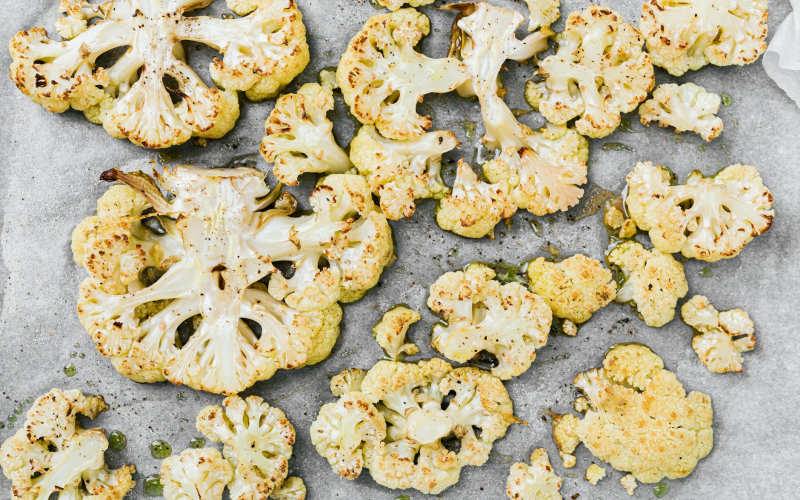
I’ve tested this obsessively. Same broccoli florets, same olive oil, same oven temp (425°F). Crowded pan: pale and soft, basically sad. Spread pan: charred edges, nutty, incredible. Same ingredients. Same ten minutes. Completely different result.
Why Sheet Pan Meals Are Genuinely Healthier
You don’t need a sauce loaded with cream, butter, or salt to make sheet pan food taste good. The oven does the flavor work for you. Roasting concentrates natural sugars in vegetables—Brussels sprouts that taste bitter when raw become almost sweet at 400°F after 20 minutes—which means your palate gets real satisfaction without a ton of added fat or sodium.
A typical sheet pan dinner might run you 400-550 calories with 35+ grams of protein if you’re using chicken or salmon as your base. Compare that to a takeout order. The average restaurant entrée in the U.S. clocks in around 1,200 calories, according to a 2013 study published in the Journal of the Academy of Nutrition and Dietetics that analyzed 364 restaurants across seven cities. That’s not a small gap.
So you’re essentially getting restaurant-level satisfaction—something that actually tastes cooked and seasoned and intentional—at roughly a third of the caloric cost. And you controlled every single ingredient that went on that pan.
The Cleanup Math Nobody Talks About
One sheet pan. One mixing bowl (if you even bother using one—sometimes I just toss everything directly on the pan). A knife. A cutting board. That’s your entire dish pile after a sheet pan dinner, and it can realistically fit in one side of a double sink.
Compare that to a stir-fry: wok, spatula, prep bowls, a separate plate for the cooked chicken while you do the vegetables, the pan you used for the rice. That’s seven items minimum, and you’re sweating over a hot stove the entire time anyway.
Sheet pan lined with parchment paper? You might not even need to wash the pan. I’m not proud of this. But I’ve absolutely just folded up the parchment, wiped the pan with a paper towel, and put it straight back in the cabinet. Zero guilt.
My Favorite Combinations That Actually Work
Not every ingredient belongs together on a pan—and this is where a lot of first-timers go sideways. You want vegetables with similar roasting times, or you need to stagger when things go in.
Here’s what I default to on busy weeks:
Salmon fillet + asparagus + cherry tomatoes at 400°F for 12-15 minutes. The tomatoes burst and create this instant sauce situation. Genuinely great.
Chicken thighs (bone-in, skin-on) + cubed sweet potato + red onion at 425°F for 35-40 minutes. I add smoked paprika, garlic powder, and a hit of cumin. My kids eat this without complaint, which in my house qualifies as a standing ovation.
Chickpeas + cauliflower + zucchini with a tahini drizzle after roasting, at 425°F for 25 minutes. Completely vegetarian, somehow filling, and the leftovers make incredible grain bowls the next day.
How to Meal Prep Using Sheet Pans Without Losing Your Sunday
Sheet pan cooking scales up beautifully. Run two pans at once—most ovens can handle two racks—and you can produce components for three or four weeknight meals in under an hour on a Sunday afternoon.
Roast a big batch of mixed vegetables on one pan. A whole tray of chicken thighs on another. Suddenly you have the building blocks for bowls, wraps, salads, and pasta dishes all week. This is genuinely the approach I leaned on during a particularly brutal stretch in fall 2022 when work was insane and I refused to keep eating sad desk lunches.
The key is seasoning things neutrally the first time—salt, olive oil, pepper, garlic—so the roasted components work across multiple flavor directions. Tuesday night they’re Mediterranean with feta and olives. Wednesday they’re going into a soy-ginger situation. Same chicken. Very different meal.
The Temperature Secret That Changes Everything
Most recipes say 375°F. Ignore that for vegetables. Go hotter. 425-450°F is where the magic actually happens for most sheet pan dinners—the outside crisps before the inside turns to mush, and you get that browning that makes everything taste dramatically better.
For fish, 400°F is usually the sweet spot. For thin vegetables like asparagus or green beans, you can push to 450°F for 10-12 minutes and they’ll come out blistered and slightly charred in the best possible way.
But proteins and vegetables have different needs, so placement matters too. Put your protein in the center of the pan where heat is most even, and push vegetables toward the edges where they’ll pick up a little more color.
Bottom Line
Here’s the thing I haven’t seen written anywhere else: sheet pan dinners aren’t just a cooking method—they’re a psychological trick. Because cleanup is so minimal and the process is so low-maintenance, you actually follow through on cooking instead of defaulting to delivery. The biggest obstacle to eating healthy on weeknights isn’t knowledge or recipes. It’s activation energy. And a single sheet pan lowers that barrier so dramatically that healthy eating starts to feel like the path of least resistance. That’s the real win here.
Frequently Asked Questions
Can I use frozen vegetables in healthy sheet pan dinner recipes?
Yes, but thaw and pat them dry first. Frozen vegetables hold extra moisture, and wet vegetables steam instead of roast. Spread them on a towel for 10-15 minutes before they hit the pan and you’ll get much better results.
What’s the best sheet pan to buy?
A heavy-gauge aluminum half-sheet pan with a rim is the standard answer, and it’s right. Nordic Ware makes a reliable one for around $25. Avoid non-stick coatings if you want serious browning—they limit how hot you can go and tend to warp at higher temperatures.
How do I keep everything from sticking?
Enough fat is the real answer—don’t be shy with the olive oil. A light coating of oil on the pan itself, or simply using parchment paper, solves 99% of sticking problems. Parchment handles up to about 425°F reliably; for hotter applications, use a lightly oiled bare pan.
Can sheet pan dinners work for a family of four?
Absolutely. You might need two pans running simultaneously, but the method scales without any added complexity. The key is not overcrowding—keep things in a single layer across both pans and rotate them halfway through cooking if your oven runs unevenly.
Photo by www.kaboompics.com on Pexels