
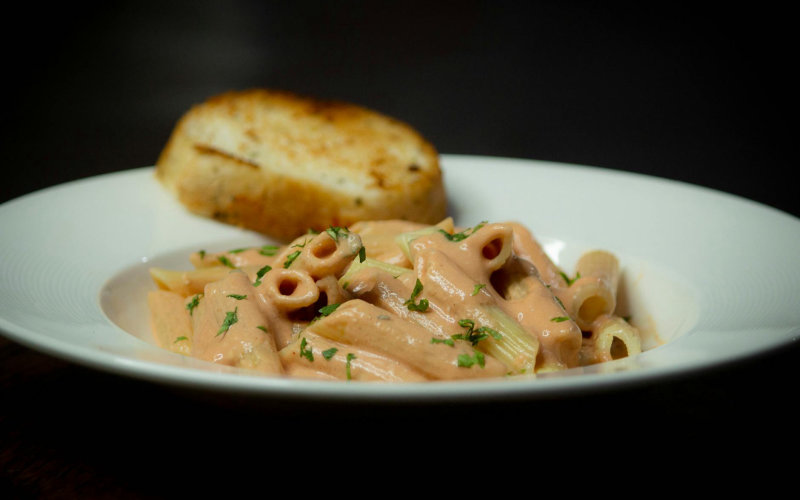


I made this dish on a Tuesday night when my fridge looked like a hostage situation. Half a bag of spinach, some sun-dried tomatoes, heavy cream I’d bought for something I never actually made, and chicken thighs that needed to be used up. Twenty-eight minutes later, my husband asked if I’d ordered from that Italian place down the street.
That’s the thing about Tuscan garlic chicken. It sounds fancy. It looks like you tried. And the reality is it comes together faster than most delivery apps can even confirm your order. If you’ve been scrolling past this recipe thinking it requires some culinary skill you don’t have—you don’t need it. You genuinely don’t.
This is the creamy Tuscan garlic chicken recipe I’ve made probably 40 times since 2019, tweaked and stripped down until it’s basically impossible to wreck. One skillet. Pantry ingredients. Done.
What You Actually Need (No Specialty Store Required)
Here’s what makes this recipe genuinely easy: nothing on the ingredient list requires a field trip somewhere obscure or a second mortgage.
For the chicken, you want about 1.5 pounds of boneless skinless chicken breasts or thighs. Thighs stay juicier if you’re prone to overcooking; breasts slice prettier for serving. You’ll also need olive oil, salt, black pepper, and garlic powder for the initial sear.
The sauce calls for 5-6 fresh garlic cloves (please don’t use jarred if you can avoid it), one cup of heavy cream, half a cup of chicken broth, half a cup of grated parmesan, a handful of sun-dried tomatoes packed in oil, and two big fistfuls of fresh spinach. Italian seasoning rounds it out—about a teaspoon.
Sun-dried tomatoes packed in oil are the one thing worth keeping stocked permanently. They’re cheap, shelf-stable for months, and add this deep, almost jammy sweetness you simply can’t fake with anything else.
The Sear Is Everything—Don’t Skip It
So many people rush this part. Then they wonder why their chicken looks grey and sad instead of golden and gorgeous.
Pat your chicken completely dry with paper towels before it goes anywhere near the pan. Moisture is the enemy of a good sear. Heat your skillet—cast iron or stainless, not nonstick—over medium-high until a drop of water skitters across the surface and vanishes immediately. Add two tablespoons of olive oil and let it shimmer.
Season the chicken generously on both sides with salt, pepper, and garlic powder. Place it in the pan and don’t touch it for 5-6 minutes. Seriously. Walk away. Get your garlic minced. Pour yourself a drink. But don’t poke at the chicken until it releases naturally from the pan.
Flip once. Another 4-5 minutes. Internal temperature should hit 165°F. Pull it out and let it rest on a plate while you build the sauce in the same pan—those browned bits on the bottom are basically flavor gold.
Building That Creamy Garlic Sauce in the Same Pan
This is where your kitchen starts smelling incredible. Drop the heat to medium and add a small drizzle more olive oil if the pan looks dry. Toss in your minced garlic and stir constantly for about 60 seconds—garlic burns fast, and bitter garlic ruins everything.
Add the sun-dried tomatoes next. Let them cook another minute, stirring, until they soften slightly and the oil they’re packed in starts coating the pan. Then pour in your chicken broth, scraping up all those brown bits from the sear. Those bits dissolve right into the sauce, and that’s where 80% of your flavor lives.
Now pour in the heavy cream. Bring it to a gentle simmer—not a rolling boil, just little bubbles around the edges—and stir in your parmesan a little at a time so it melts smoothly rather than clumping. Add your Italian seasoning here.
Taste the sauce before you add anything else. Adjust the salt. Is it a little flat? A squeeze of lemon fixes that almost every time.
Adding the Spinach Without Turning It to Mush
Add your spinach in two batches, folding it into the sauce and letting it wilt down before adding more. This takes maybe 90 seconds total. Fresh spinach wilts aggressively—two giant handfuls become a pretty modest amount very quickly, which is fine.
Want more greens? Add more. Three fistfuls is perfectly acceptable. Some people swap in a handful of kale instead, which holds its texture better if you’re planning on leftovers the next day.
Finishing the Dish and Serving It Right
Nestle the chicken back into the sauce—or slice it first if you used breasts, which makes serving easier and lets the sauce coat every piece. Let everything simmer together for 3-4 minutes so the chicken soaks up some of that cream sauce.
Serve it over pasta (fettuccine or pappardelle work great), on top of creamy mashed potatoes, spooned over crusty bread, or just straight from the skillet with a big salad alongside. My personal preference is over egg noodles with a glass of Pinot Grigio. Nothing complicated. Just genuinely good food.
Top with extra parmesan and some fresh basil if you have it. And if you don’t, nobody’s coming to your house to check.
Storing Leftovers and Reheating Without Ruining the Sauce
Cream-based sauces can be tricky to reheat because they tend to split when they get too hot too fast. Store leftovers in an airtight container in the fridge for up to 3 days.
To reheat, add a splash of chicken broth or cream to a pan over low heat, then add your leftovers and warm slowly, stirring. Don’t microwave on high unless you enjoy a greasy, broken sauce situation—which I’ve experienced enough times to warn you firmly about.
Bottom Line
Here’s something you probably won’t read anywhere else about this recipe: the real magic isn’t the cream or the garlic or even the sun-dried tomatoes. It’s the resting step after the sear. Most home cooks skip it because the sauce needs attention and everything feels urgent. But those 5 minutes while the chicken sits off heat and you’re building the sauce—that’s when the juices redistribute. It’s the difference between chicken that’s technically cooked and chicken that’s genuinely tender all the way through. The sauce is the co-star. Your sear and your rest are the leads.
Frequently Asked Questions
Can I use chicken thighs instead of breasts in this creamy Tuscan garlic chicken recipe?
Absolutely—and honestly, I prefer thighs for this dish. They’re more forgiving about cooking time, stay juicier, and the richer flavor works beautifully with the cream sauce. Boneless skinless thighs cook in roughly the same time as breasts, so no adjustments needed.
What can I substitute for heavy cream if I don’t have any?
Half-and-half works in a pinch, though your sauce will be thinner. Full-fat coconut cream is a surprisingly solid dairy-free option—it doesn’t taste coconutty once the garlic and parmesan are in there. Avoid milk on its own; it won’t thicken the way you need it to.
Can I make this ahead for a dinner party?
You can make the sauce a day ahead and refrigerate it separately, then sear fresh chicken the day of and combine everything to warm through. Making the whole dish more than a few hours ahead means the spinach gets a little sad and the chicken can dry out. A fresh sear is always worth the extra effort.
Do I need a cast iron skillet specifically?
Nope. Stainless steel works just as well. What you want to avoid is a nonstick pan for the sear—nonstick coatings don’t get hot enough for a proper crust, and they won’t give you those fond bits on the bottom that make the sauce taste like it cooked for hours.
Photo by The Qurious Studio on Pexels