
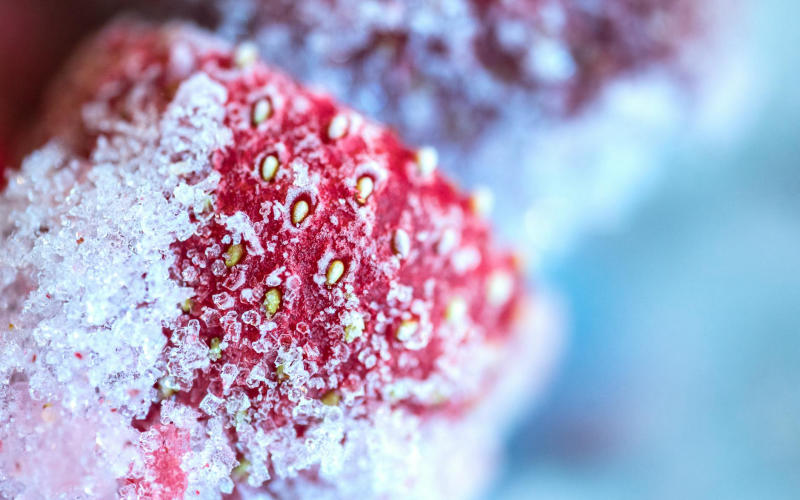


I used to grab fresh everything at the grocery store. Felt righteous about it, honestly. Like I was doing right by my family. Then I started actually tracking what I tossed each week—wilted spinach, mushy berries, those sad peas that sat untouched until they weren’t edible anymore—and the number floored me. Somewhere in the $30-40 range, just decomposing in my produce drawer.
Here’s what most food blogs won’t say out loud: frozen isn’t a compromise. For certain produce, it’s genuinely the sharper, more nutritious call. A 2017 study from the University of California Davis found that frozen fruits and vegetables often hold more vitamins than fresh ones that spent five days rattling around in a truck. So the whole “fresh is always better” thing? Flat-out myth.
These seven items are the ones I’ve personally made the switch on—and I’m not going back.
1. Spinach
Fresh spinach spoils so fast it feels personal. You pay $4 for a 5oz bag, use a small handful in a smoothie, and 48 hours later the rest has become a dark, slimy regret. Frozen spinach runs about $1.50-$2 for a 16oz bag at most stores and just waits in your freezer until you actually want it.
And nutritionally? For anything cooked—pasta, soups, omelets—it’s essentially the same. Nobody notices.
2. Blueberries
A tiny pint of fresh blueberries in winter will run you $5-$7. Out of season, they’re picked underripe, shipped across half the continent, and taste like disappointingly blue water. Frozen blueberries are picked at actual peak ripeness, flash-frozen right away, and typically cost $3-$4 per pound.
For smoothies, oatmeal, muffins, pancakes—frozen wins. And if you’re buying fresh blueberries in December, you’re essentially paying extra to be let down.
3. Peas
Fresh peas exist in the wild for maybe a two-week stretch in early summer. That’s it. The frozen version has been a household staple since Clarence Birdseye commercialized flash-freezing back in 1929, and there’s a reason it never went away. Frozen peas are sweet, stupid-cheap (usually under $2 for a 12oz bag), and go straight into fried rice, soups, or pasta with zero prep.
4. Mango
Unless you’re somewhere tropical, fresh mangoes at the store are either a rock or three days past saving. Peeling one is its own ordeal. Frozen mango chunks run around $3-$4 per pound, come pre-cut, were frozen at peak ripeness, and are perfect for smoothies and salsas. You also skip the sticky cutting board situation entirely.
5. Corn
Frozen corn beats canned easily (that’s just my take), and holds its own against fresh in most cooked dishes. But the real case here is seasonal logic. Peak summer corn straight from a farm stand? Absolutely buy that fresh. But paying $1.50 per ear for fresh corn in February when a 12oz bag of frozen kernels costs $1.79? That math doesn’t work.
6. Edamame
Fresh edamame is genuinely hard to track down in most of the US, and when you do find it, it’s pricey. Frozen edamame—shelled or in-pod—is everywhere, cheap, and already cooked. Three minutes in the microwave. A 12oz bag at Trader Joe’s is about $2.49. That’s a full snack or side dish for under three bucks, with basically no effort involved.
7. Cauliflower
Cauliflower prices swing wildly. Fresh heads were hitting $5-$7 apiece at various points through 2022-2023. Frozen florets, meanwhile, hold pretty steady at $2-$3 a bag and work great in stir-fries, soups, and mashed cauliflower. Not great for roasting (it steams instead of crisping), but for everything else? Totally solid.
Bottom Line
Something I’ve never actually seen written out: the real cost of fresh produce isn’t just the price tag—it’s the low-grade mental pressure of racing against food that’s dying in your fridge. Frozen produce quietly eliminates that entirely. You stop arranging your whole week around “I have to use this spinach today” and start cooking what you actually want, when you want it. That shift alone, in my experience, makes home cooking feel less like damage control and more like a genuine choice.
Frequently Asked Questions
Does frozen produce lose nutrients compared to fresh?
Not in any meaningful way—and sometimes it’s the other way around. Since frozen produce gets processed close to harvest, it locks in vitamins before they have a chance to degrade. Fresh produce can shed up to 45% of certain nutrients during transport and storage, according to research published in the Journal of Agricultural and Food Chemistry in 2007.
Is frozen produce cheaper than fresh across the board?
Usually yes, especially for anything out of season. But peak-season local stuff—summer tomatoes, August corn, June strawberries—fresh local wins on both price and flavor. Buy frozen when it’s off-season, or when you honestly know you won’t finish the fresh version before it turns.
What produce should you never buy frozen?
Anything where texture is the whole appeal. Tomatoes, lettuce, cucumbers, apples meant for raw eating—all of them go watery and sad after freezing and thawing. Keep those fresh.
How do I know if frozen produce is high quality?
Look for single-ingredient bags with no added sauces, salt, or sugar. And shake the bag before you buy it. One solid frozen clump means it probably thawed and refroze somewhere along the way. Put it back and find another bag.
Photo by Linda Gschwentner on Pexels