
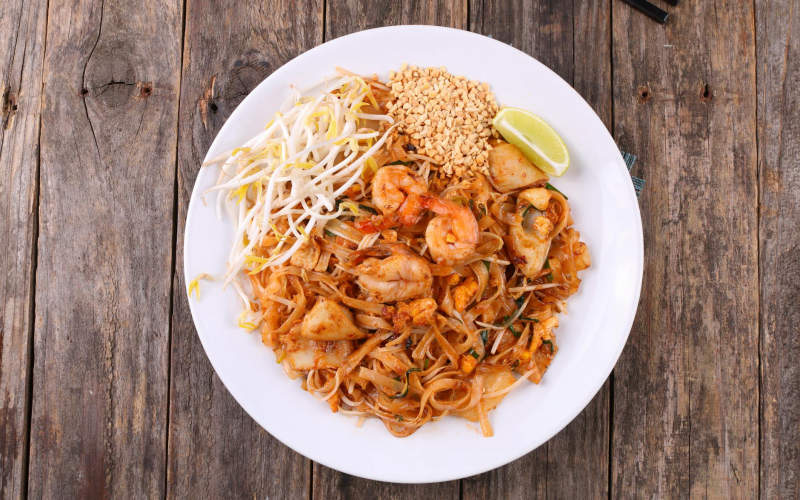


My first Thai peanut sauce came from a laminated recipe card tucked inside a garage sale wok. This was 2011. The sauce was terrible — watery, too sweet, weirdly gluey in a way I still can’t fully explain. I ate it over rice noodles anyway and convinced myself it was fine.
It took three more years of tinkering, plus one very patient afternoon in a Chiang Mai cooking class in 2014, before I actually understood what makes this sauce work. And here’s what surprised me most: it’s not exotic ingredients. You don’t need a specialty Asian grocery store. What you need are the right ratios and a handful of flavor principles that most recipes just quietly skip over.
This is the version I’ve been making ever since. More people ask me for this recipe than anything else I cook.
Start With the Right Peanut Butter (Seriously, It Matters)
Not all peanut butter behaves the same way here. You want the natural kind — the stuff where the oil separates and you have to stir it before using. Jif and Skippy are too sweet, and they’ll throw your whole sauce sideways.
Smucker’s Natural works perfectly. So does any store-brand natural peanut butter, honestly. One cup is your starting point.
The Coconut Milk Question
Full-fat coconut milk. Not lite. Not coconut cream, not coconut water — full-fat.
Thai Kitchen Full Fat Coconut Milk (you can find it at virtually every major grocery store now) gives you that silky, faintly sweet base that helps the sauce cling properly to whatever you’re dipping into it. Use about 1/3 cup. You’ll have leftover coconut milk — freeze it in an ice cube tray. I promise you’ll actually use it.
Soy Sauce vs. Fish Sauce: The Real Answer
A lot of recipes hedge on this. I won’t. If you want authentic flavor, use fish sauce. One tablespoon of Thai Kitchen Fish Sauce (most grocery stores carry it now) adds a depth you simply can’t replicate with soy sauce alone.
But if you’re vegetarian, or you just don’t keep fish sauce around, swap in 2 tablespoons of low-sodium soy sauce instead. It’s a different sauce. Still good — just different. And don’t let anyone tell you these two things are interchangeable. They’re not.
The Acid and Heat Balance
Two tablespoons of fresh lime juice. Not the stuff in the plastic lime-shaped bottle — actual fresh lime. One lime usually gets you there.
For heat, grab Sambal Oelek (Huy Fong makes it; it’s usually shelved right next to the Sriracha). Start with one teaspoon, taste it, then decide. I almost always land at two teaspoons — enough presence without anything aggressive happening. Fresh ginger is worth adding if you have it, just one teaspoon. Powdered ginger technically works but the flavor goes flat fast.
The Sugar Thing
One teaspoon of brown sugar. That’s genuinely it. Not two, not three — just enough to soften the acidity without your sauce suddenly tasting like peanut candy.
So many recipes oversweeten this thing, and that’s honestly why homemade versions so often taste off. Keep it restrained.
How to Actually Build the Sauce
Combine everything in a small saucepan over medium-low heat and whisk constantly. You’re not really cooking it so much as warming it — maybe four minutes total. If it thickens up too much (and it will thicken as it cools), add coconut milk a tablespoon at a time until it loosens.
That’s it. No blender. No special equipment. Nothing complicated.
Bottom Line
Here’s something I’ve never actually seen another recipe mention: this sauce gets noticeably better after sitting at room temperature for about 20 minutes. The lime juice slightly denatures the peanut protein, the flavors stop competing with each other, and the whole thing settles into itself. Make the sauce before you prep everything else. Let it sit. You’ll taste a real difference — and that small bit of patience is what separates a sauce that tastes homemade from one that tastes like it came from a restaurant.
Frequently Asked Questions
Can I make this sauce ahead of time?
Yes, and honestly you should. It keeps in the fridge for up to five days in a sealed jar. Just warm it gently and add a splash of coconut milk to loosen it back up.
Why is my sauce too thick?
Either too much peanut butter or you cooked it a little too long. Fix it with warm coconut milk, one tablespoon at a time, whisking as you go.
Is this sauce gluten-free?
It can be. Swap the soy sauce for tamari (San-J is a reliable brand) and check your fish sauce label carefully. Thai Kitchen Fish Sauce is gluten-free per their current formulation.
What do I serve this with?
Chicken satay skewers are the obvious answer. But my actual weeknight go-to is cold rice noodles with shredded cucumber and rotisserie chicken — fast, satisfying, and the kind of thing your whole family will eat without complaining.
Photo by UNDO KIM on Pexels