
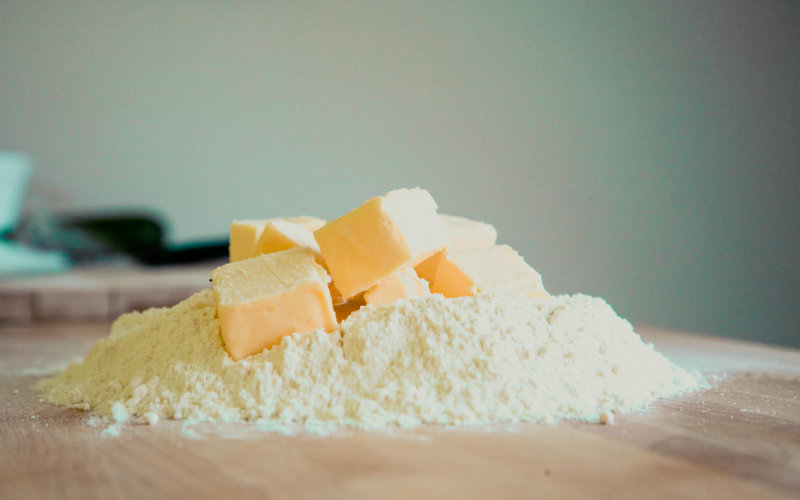


I ruined a batch of banana bread once trying to be clever about butter. Swapped it out completely for coconut oil without adjusting anything else, and ended up with a greasy, slightly weird-tasting loaf that my kids flat-out refused to eat. That experience taught me something crucial: butter substitution isn’t a one-size-fits-all deal, and anyone telling you otherwise is skipping the complicated parts.
The good news? Once you actually understand why butter does what it does in baking—moisture, fat content, structure, browning—the substitutions start making sense. You’re not just swapping one ingredient for another. You’re replacing a function.
So here’s what I’ve learned after years of testing this stuff in my actual kitchen, not some lab. Whether you’re cutting saturated fat, going dairy-free, or just ran out of butter at 9pm on a Tuesday, this guide covers the real tradeoffs.
Why Butter Is So Hard to Replace (And Why People Screw It Up)
Butter isn’t just fat. It’s about 80% fat, 18% water, and a small measure of milk solids—and each of those components does something different in your baked goods. The fat tenderizes. The water creates steam (hello, flaky croissants). The milk solids brown. When you swap it out, you’re potentially disrupting all three of those jobs simultaneously.
This is why some substitutions work brilliantly in one recipe and completely fall apart in another. Applesauce might be perfect in a muffin and terrible in a shortbread cookie. Understanding this keeps you from wasting a whole afternoon on failed experiments.
Applesauce: The Classic Swap Nobody Explains Properly
Applesauce is probably the most well-known butter substitute, and it genuinely works—in the right context. The standard ratio is 1:1, but here’s what most guides quietly skip over: you need to reduce your other liquid by about 25%, because applesauce brings a lot of moisture to the party.
It works best in dense, moist baked goods like muffins, quick breads, and brownies. But it nudges the texture toward “cakey” rather than tender, and it adds a slight sweetness you have to account for. So if your recipe’s already heavy on sugar, reach for unsweetened applesauce. A 2021 test published in Cook’s Country—they ran 12 different butter substitutes across 6 recipe types—found applesauce most successful in chocolate muffins but notably disappointing in drop cookies.
And don’t expect the same browning. You won’t get it.
Greek Yogurt: Underrated and Actually Impressive
Full-fat Greek yogurt is my personal favorite for certain recipes. It adds protein, cuts saturated fat significantly, and brings a subtle tang that honestly improves some things—carrot cake, for instance, becomes almost better with it.
Use it at a 3/4:1 ratio. So for every cup of butter, you’re using 3/4 cup of full-fat Greek yogurt. It adds moisture and fat, but less fat than butter, so expect a slightly denser result. Works beautifully in quick breads, coffee cakes, and muffins. Not ideal for cookies where you’re chasing spread and crunch.
One thing I’ve noticed over time: baked goods made with Greek yogurt stay moist longer than their butter-based counterparts. Something about how yogurt holds water differently. I can’t fully explain it, but I’ve seen it consistently enough to trust it.
Avocado: Worth the Hype or Just a Food Trend?
Both, honestly. Avocado is about 77% fat (mostly monounsaturated—the good kind), and it substitutes at a 1:1 ratio for butter. It creates a genuinely creamy, tender crumb and slashes saturated fat dramatically. In a standard 1/2 cup of butter, you’re looking at roughly 58 grams of saturated fat. Same amount of avocado? About 3 grams.
The catch is obvious: avocado has a flavor. A mild one, but it’s there. In chocolate-based recipes, you basically can’t taste it. In vanilla or lemon recipes? You might notice something slightly off. Also, your baked goods will shift a little green, which is either charming or alarming depending on who’s at your kitchen table.
Try it in brownies first. You’ll be converted immediately.
Coconut Oil: Real Benefits, Real Limitations
Coconut oil is probably the most popular “healthy” butter substitute right now, and it does have genuine advantages—it’s solid at room temperature (like butter), handles heat well, and produces a nice texture in baked goods. Use it at a 7/8 ratio (slightly less than 1:1) since it’s pure fat and butter has water in it.
But the health halo around coconut oil got complicated. A 2020 Harvard meta-analysis of 16 studies found coconut oil raises LDL cholesterol similarly to butter, even though it also raises HDL. So it’s not a clear win on the cardiovascular front. Use it because you want dairy-free, or because you like a subtle coconut flavor in your baking—not because you assume it’s dramatically healthier.
Where it genuinely shines is cookies and pie crusts. The texture there is excellent.
Mashed Banana: The One With a Personality
Mashed banana substitutes butter at a 1:1 ratio and brings potassium, fiber, and natural sweetness to the table. But it has strong opinions about flavor. Everything you make will taste like banana, at least a little.
Use it in recipes where that actually makes sense—banana bread (obviously), oatmeal cookies, certain muffins, pancakes. Reduce your added sugar by about 2 tablespoons per cup of banana, since the fruit brings its own sweetness. And expect a denser, moister result than you’d get with butter.
Not for shortbread. Not for sugar cookies. Just trust me on this one.
Nut Butters and Tahini: The Protein-Forward Option
Almond butter, cashew butter, and tahini can all stand in for butter in specific recipes, usually at a 7/8 ratio. They add protein, healthy fats, and a distinctive richness. Tahini works especially well in cookies and brownies—it adds a depth of flavor that people often can’t quite identify but really enjoy. I’ve watched people eat a second brownie trying to figure out what’s in them.
The fat content is close enough to butter that the texture holds up well. These substitutes perform best in heartier, more boldly flavored recipes where the nuttiness blends in rather than sticks out.
Bottom Line
Here’s the honest insight most baking guides won’t give you: the best “healthy” butter substitute isn’t really about the ingredient itself—it’s about which nutritional tradeoff matters most to you for that specific recipe. If you’re trying to reduce saturated fat in your daily muffin, Greek yogurt probably gives you the best combination of texture, nutrition, and minimal flavor interference. But if dairy is the issue and you’re making brownies, avocado or coconut oil will outperform everything else on this list. Stop hunting for one universal answer. There isn’t one. Pick your priority, match it to your recipe type, and adjust from there.
Frequently Asked Questions
Can you substitute butter with olive oil in baking?
Yes, at a 3/4:1 ratio (3/4 cup olive oil per cup of butter). It works well in quick breads and some muffins. But use light olive oil, not extra virgin—the flavor of extra virgin is too assertive and will take over your baked goods completely.
Does substituting butter affect baking time?
Often, yes. Substitutes with higher water content (like applesauce or yogurt) can add moisture and may require 5-10 extra minutes in the oven. Start checking a few minutes early regardless, and use the toothpick test rather than relying strictly on whatever time the recipe states.
Which butter substitute works best for cookies?
Coconut oil or nut butters generally perform best for cookies because they’re closer to butter’s fat content and behavior across temperatures. Applesauce and banana tend to make cookies too soft and cakey rather than giving you that satisfying slight crunch at the edge.
Is substituting butter actually healthier, or is it just different?
It depends what you’re substituting and why. Swapping butter for avocado significantly reduces saturated fat. Swapping for coconut oil? Not so much. Greek yogurt reduces overall fat. But adding banana adds sugar. “Healthier” means different things to different people—so get specific about what health goal you’re actually chasing before you make the swap.
Photo by Markus Spiske on Pexels