
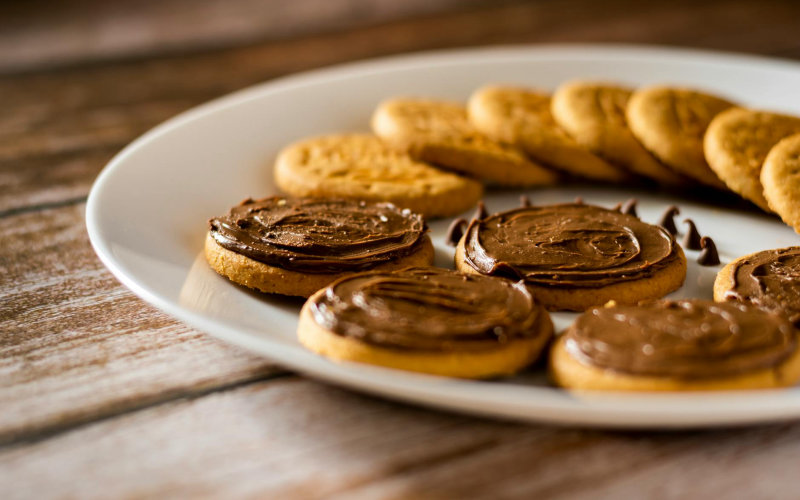


I’ve ruined more batches of cookies than I care to admit. We’re talking full sheet pans of sad, paper-thin discs that welded themselves to the parchment like they were trying to escape their former selves. After twelve years of baking, writing about food, and obsessively testing recipes on this blog, I finally figured out why it keeps happening—and more importantly, how to actually stop it.
The annoying truth? Spreading isn’t usually one problem. It’s a pile of small problems quietly stacking up until your cookies look like someone sat on them.
So let me walk you through the real culprits, in the order I find them most often in home kitchens.
Your Butter Was Too Warm (This Is the Big One)
Seriously. This wrecks more cookies than anything else on this list.
Room temperature butter should feel cool, not soft. If your finger sinks into it like it’s pudding, you’ve already lost. Butter over 68°F starts releasing its water content too fast during baking, which means your cookies spread aggressively before they ever get a chance to set up.
The fix: pull butter out 20-30 minutes before baking on a 70°F day—not a full hour. In summer, even less. I’ve started checking mine with a cheap kitchen thermometer because 65°F is genuinely the sweet spot for most drop cookies (chocolate chip, snickerdoodles, that kind of thing).
You’re Using the Wrong Pan
Dark metal pans conduct heat faster. Your cookies hit the bottom of a dark, thin pan and immediately start spreading before any structure has time to form. I switched to heavy aluminum half-sheet pans—the kind professional bakers use, like the Nordic Ware ones that run about $20—and my spread problem dropped noticeably, almost overnight.
Parchment paper matters more than people expect, too. Silicone mats actually encourage slightly more spreading in some cookies because they insulate the bottom differently. Worth testing both with your specific recipe.
Your Flour Measurement Is Off
Are you scooping flour straight from the bag with your measuring cup? That packs it down. A packed cup of all-purpose flour can weigh anywhere from 160g to 190g—a 30-gram swing that changes everything about texture and spread.
Spoon flour into your cup, then level it off. Or just use a scale. King Arthur Flour pegs their standard at 120g per cup. Get close to that and your cookies will behave much better.
The Dough Needs to Chill (No, Really)
Chilling isn’t optional for a lot of recipes—it’s load-bearing. Cold dough spreads slower because the fat takes longer to melt, giving the whole thing time to set its shape first.
But here’s the part most people skip: even 30 minutes in the fridge makes a real difference. A full overnight rest—like the one Serious Eats documented in their well-known 2009 chocolate chip cookie experiment—produces noticeably thicker, more flavorful results. You don’t always have time for that. I get it. But the 30-minute version is still worth doing, even when you’re impatient.
Your Baking Soda Might Be Dead
Old leavening doesn’t lift your cookies properly. And a flat cookie has nowhere to go but sideways. Drop a teaspoon of baking soda into hot water with a splash of vinegar—no fizz means you need a new box. If you bake regularly, replace it roughly every six months.
Bottom Line
Here’s something nobody really talks about: spreading is a timing problem disguised as an ingredient problem. Your cookies spread because the fat melts before the egg proteins and flour starches can set the structure. Everything on this list—butter temperature, pan choice, flour weight, chilling time—is really just about buying those first few critical minutes in the oven. Fix the timing, and you fix the spread. That’s the actual insight underneath all of it.
Frequently Asked Questions
Why do my cookies spread even when I follow the recipe exactly?
Your kitchen conditions matter more than most people realize. High humidity, a warm room, or a still-hot baking sheet from a previous batch can all cause spreading even when you’ve technically done everything right.
Can I add more flour to stop spreading?
You can, but it’s a blunt instrument. Adding more than 2 tablespoons extra usually makes cookies dry and dense. Chilling the dough first is a much cleaner fix.
Does the type of butter matter?
It does. European-style butters have higher fat content and less water, which can actually reduce spreading. Generic store brands carry more water, and that extra moisture is quietly working against you.
What if my cookies spread on one tray but not another?
Almost always a hot pan issue. Let your baking sheets cool completely between batches—or rotate three pans so one is always resting while the others work.
Photo by Pixel Senses on Pexels