
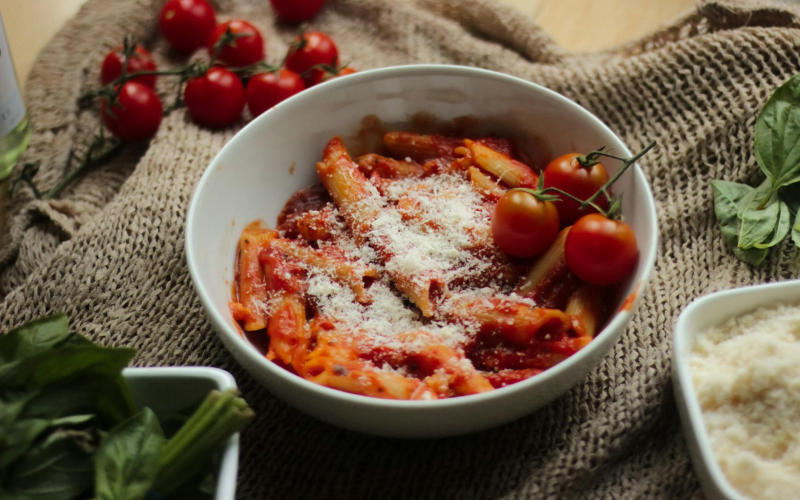


I ruined my first batch. Completely. I’d grabbed a pile of sad supermarket tomatoes in late October, threw them in a pot with some olive oil, and couldn’t figure out why the result tasted like watered-down ketchup having an identity crisis. Nobody warned me that tomatoes are roughly 95% water — or that making a genuinely good sauce means understanding what you’re actually working with before you start flinging things at a pan.
That was 2011. Since then I’ve made this sauce probably four hundred times. Adjusted it, burned things, started over, had moments of real triumph at 11pm on a Tuesday. And I want to give you the version that actually works. Not the sanitized recipe-card version that quietly skips everything that matters.
So here’s everything. The method, the mistakes, the cream situation, and why your grandma’s sauce probably tasted better than yours does.
Picking the Right Tomatoes (This Part Is Non-Negotiable)
Your tomatoes are everything. If you start with bad ones, no amount of skill or butter or seasoning saves you. You’re just polishing a disappointment.
San Marzano tomatoes are the gold standard, and for genuinely good reason. They’re a plum variety grown in the volcanic soil near Naples, naturally lower in water, higher in flesh, and carrying a sweetness that round beefsteak tomatoes simply don’t replicate. But here’s the thing — you don’t have to import them. Roma tomatoes, available at almost any farmers market from late July through September, are an excellent substitute. Honestly, they’re what I use most of the time.
Buy in season. That means summer — specifically August or early September if you’re in the Northern Hemisphere. Out-of-season tomatoes (looking at you, February hothouse varieties) taste like cardboard with ambitions. A 2019 study in Food Chemistry found that tomatoes harvested at peak summer had significantly higher levels of lycopene and glutamic acid, that second compound being responsible for most of the savory depth you’re actually tasting when a sauce is good.
Aim for about 2.5 pounds to generously coat pasta for four people.
How to Prep Your Tomatoes Before Cooking
Score and blanch. That’s the move. Cut a small X in the bottom of each tomato, drop them into boiling water for 30 to 45 seconds, then pull them straight into an ice bath. The skins slip right off — no peeling knife frustration, no torn flesh.
Once peeled, cut them in half lengthwise and squeeze out the seed gel over the sink. Not all of it, just the bulk. Those seeds carry a lot of liquid and a faint bitterness you don’t need in a creamy sauce.
Rough chop after that. You don’t need perfect cubes. This is pasta sauce, not a competition.
Building the Base: Olive Oil, Garlic, and Patience
Heavy-bottomed pan. Medium heat. Always.
Add a genuine glug of good olive oil — 3 tablespoons minimum, not the nervous little drizzle most recipes suggest. Heat it until it shimmers, then add your garlic. Four cloves, thinly sliced rather than minced. Sliced garlic infuses the oil differently, giving you something rounder and more subtle instead of that sharp punch that can bulldoze everything else in the pan.
This is the moment most home cooks blow it. They crank the heat trying to speed things up, and the garlic burns. Burnt garlic is bitter in a way you cannot cook out later — it’s just there, ruining everything. So keep it medium-low, stay nearby, and pull the pan off heat if things are moving too fast. Give it about 90 seconds, just until the edges are barely turning gold.
Add a small pinch of red pepper flakes if you want any background heat. Optional, but I almost always do.
Cooking the Tomatoes Down to Sauce
Add your tomatoes straight into the garlic oil and bump the heat to medium-high just long enough to get things bubbling, then drop it back to medium-low. You’ll hear spattering. That’s fine.
This is where patience earns its reputation. You need 35 to 45 minutes of gentle simmering to cook off the water and concentrate the sugars. Stir every few minutes. If it’s aggressively spitting at you the whole time, your heat’s too high.
Season with salt about ten minutes in — not at the end. Salt draws out liquid early and helps the reduction happen faster, and it changes how the flavors develop through the whole cook. Add a small sprig of fresh basil around the 20-minute mark.
By minute 40, your sauce should have gone from watery-pink to a deep, jammy, brick-red situation. That’s exactly what you want.
Making It Creamy: The Right Way to Add Cream
Not every pasta sauce needs cream. But if you’re going creamy — which is absolutely the goal here — do it at the very end.
Pull the basil sprig out. Take the pan completely off heat. Let it sit for a full 60 seconds. Then pour in 3 to 4 tablespoons of heavy cream (or crème fraîche if you want something slightly tangier, more French-ish) and stir it in gently. The residual heat incorporates it without breaking the sauce or making it grainy.
This part is critical: cream added to an actively boiling tomato sauce will curdle almost immediately because of the acidity. Off heat. Always off heat.
Taste now. Adjust salt. Add a tiny pinch of sugar if it’s still too sharp — this happens more with out-of-season tomatoes than good summer ones.
Finishing Touches That Make a Real Difference
Fresh basil at the end, not just during cooking. Tear it, don’t chop it. Chopping bruises the herb and pulls out a slightly grassy bitterness you didn’t ask for.
A small knob of cold butter — maybe half a tablespoon — stirred in right before serving adds a gloss and richness that’ll make people ask what you did differently. This is mounting with butter, and Italian nonnas have been doing it forever. There’s a reason.
And Parmesan — real Parmigiano-Reggiano, not the stuff in the green can. Grate it directly over the finished pasta rather than stirring it into the sauce.
Bottom Line
Here’s something I’ve never actually seen anyone else say: the reason most homemade tomato sauces taste flat, even when they’re technically well-made, isn’t the tomatoes or the garlic. It’s that people under-reduce and then try to compensate by adding more salt. But salt doesn’t fix flatness from under-concentration. It just gives you a thin sauce that’s also salty. The real fix is always more time on the heat, less fiddling, and trusting the process enough to let the water leave. A properly reduced sauce won’t need much seasoning at all. The flavor was in there the whole time — you just had to make room for it.
Frequently Asked Questions
Can I use any type of fresh tomato for homemade pasta sauce from scratch?
Technically yes, but Roma and San Marzano varieties give you the best results because they’re meatier and lower in water than beefsteak or cherry tomatoes. Cherry tomatoes actually make a surprisingly sweet sauce if you roast them first at 400°F for about 25 minutes before adding them to the pan.
How long does fresh tomato pasta sauce keep in the fridge?
Up to 5 days in an airtight container. Cream-based versions taste best within the first 3 days — after that the cream starts separating slightly when reheated. Freeze it without the cream for up to 3 months, then add fresh cream when you reheat it.
Do I have to peel the tomatoes?
You don’t have to. But skip it and you’ll have little curled skin pieces throughout, and skins don’t break down the way flesh does. For a creamy sauce specifically, peeling is worth the extra five minutes.
Why does my sauce taste bitter?
Nine times out of ten: burnt garlic. The other time: seeds left in. Both introduce a bitterness that doesn’t cook away. If the garlic burns, start over — it’s genuinely not recoverable.
Photo by nikki awal on Pexels