
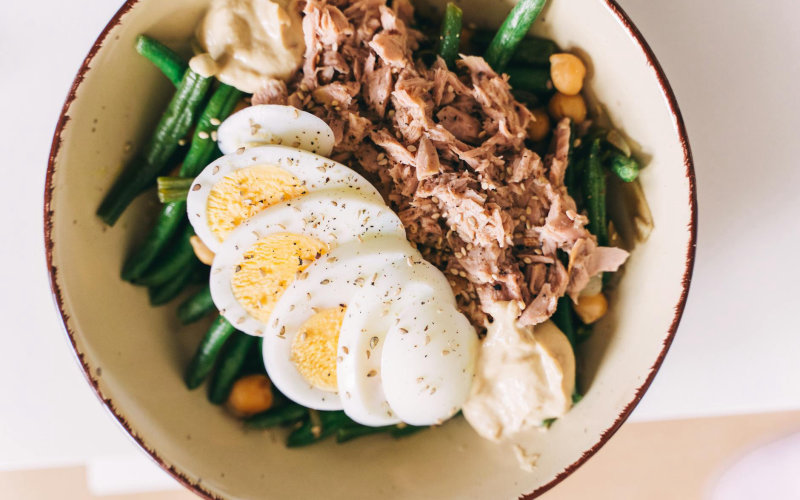


I’m going to be straight with you. Eating enough protein without torching your grocery budget is genuinely hard — unless you already know which staples are actually worth buying.
I’ve been cooking on a tight budget since 2011. The foods on this list aren’t trendy. They won’t photograph well for Instagram. But they’ve kept me and my family fed, full, and nutritionally covered through some seriously lean years. A few of these cost less per serving than a stick of gum.
Here’s what most nutrition content gets wrong: staying full has almost nothing to do with calories alone. Protein specifically triggers satiety hormones — ghrelin drops, peptide YY rises — in ways that carbs and fat simply can’t replicate. So stocking your pantry with cheap, protein-dense staples isn’t just budget-smart. It’s the smarter way to eat, period.
1. Dried Lentils
Around $1.79 per pound at most grocery chains. One pound gives you roughly 10 servings, about 18 grams of protein per cooked cup, and your cost per serving lands somewhere around $0.17.
Sit with that number for a second.
Red lentils cook in 15 minutes flat, no soaking required. Green or brown varieties take 25-30 minutes. I keep both on hand — red for soups and dals, green for salads and cold meal prep. They absorb whatever flavors you throw at them, which makes versatility essentially built into the deal.
2. Canned Chickpeas
A standard 15-oz can runs about $0.89-$1.29 at Walmart or Aldi. That’s roughly two servings at 7-8 grams of protein each, putting you well under $0.70 per serving.
Roast them in olive oil and paprika for something crunchy. Blend them into hummus. Toss them into a grain bowl at midnight when you’re too exhausted to actually cook. Chickpeas are forgiving like that — they don’t ask much of you.
3. Dry Black Beans
Similar price to lentils, sometimes cheaper. A pound of dried black beans yields about 6 cups cooked, with roughly 15 grams of protein per cup.
Yes, they need overnight soaking. But that’s 30 seconds of work — just cover them in water before bed. Cook a big batch on Sunday, refrigerate, eat all week. I’ve used this system since around 2014 and it’s never once let me down.
4. Canned Tuna
People sleep on this one and I genuinely don’t understand why. A 5-oz can of chunk light tuna costs $0.99-$1.49 and delivers 25-30 grams of protein per can. That’s more protein per dollar than almost anything else on this list.
Mix it with Greek yogurt instead of mayo if you want an extra protein bump. Add it to pasta, stuff it into a pita, or eat it straight from the can with hot sauce. No judgment here, honestly.
5. Peanut Butter
Two tablespoons. Seven grams of protein. About $0.15 per serving from a standard 18-oz jar that runs around $2.50. Comfortably under our two-dollar ceiling.
And it keeps forever. That’s an underrated quality when you’re trying to cut food waste and actually stick to a grocery budget long-term.
6. Eggs
Prices fluctuate — 2023 was brutal, we all felt it — but a dozen eggs still averages around $2.50-$3.50 in most US markets, which works out to roughly $0.25-$0.30 per egg. Each one delivers 6 grams of high-quality, complete protein.
Hard boil a batch at the start of the week. You’re set.
7. Oats (Steel-Cut or Rolled)
Half a cup of dry oats carries about 5 grams of protein, costs maybe $0.20, and keeps you full for four-plus hours thanks to beta-glucan fiber. Pair them with peanut butter or a scoop of Greek yogurt and you’ve got a legitimately filling breakfast for under $0.50 total.
Bottom Line
Here’s something I never actually see discussed: the real power of these foods isn’t any individual protein count — it’s stacking two or three of them inside a single meal. Black beans, eggs, and oats in the same morning scramble? You’re looking at 25+ grams of protein for maybe $0.80. The combined effect of cheap protein staples working together will outperform any single “superfood” you’d spend four times as much on. Build your meals around combinations, not individual ingredients.
Frequently Asked Questions
Are these cheap high protein pantry staples actually nutritionally complete?
Most plant-based proteins on this list are incomplete on their own — meaning they don’t supply all nine essential amino acids. But you don’t need to stress about pairing them in the exact same meal. Eating a variety throughout the day covers your amino acid needs just fine.
How long do dried beans and lentils actually last in the pantry?
Technically indefinitely, if you store them properly in airtight containers away from moisture. Realistically, flavor and texture start slipping after 2-3 years. But one year? Two? You’re completely fine.
Can I build enough muscle eating only these protein sources?
More than you’d expect, honestly. Canned tuna and eggs both contain complete amino acid profiles. Pair them regularly with lentils or chickpeas and your protein quality is solid — not just passable, actually solid.
What’s the single best first purchase if I’m starting a budget-friendly pantry from scratch?
Dried lentils. No contest. Fastest cooking time of any legume, most versatile, highest protein-to-cost ratio, and they need zero soaking. Start there and build outward.
Photo by Alesia Kozik on Pexels