
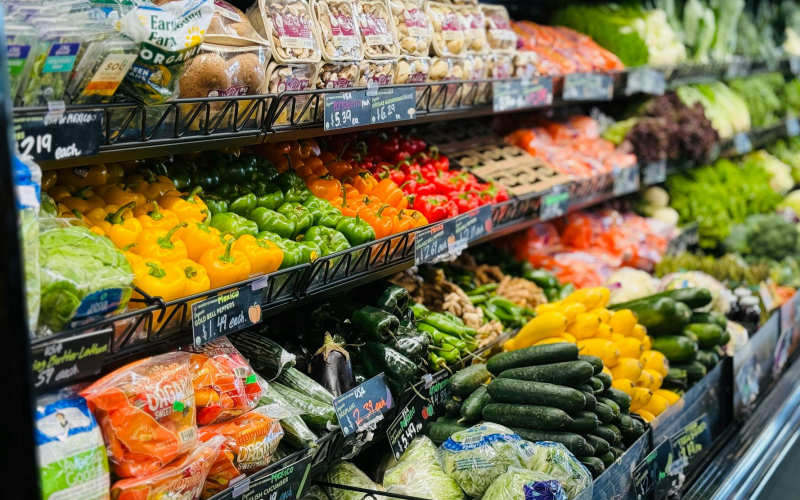


I spent way too much money on organic groceries for years. Organic cotton candy, organic crackers, organic ketchup—I’d convinced myself the label meant I was doing something righteous for my family. Then I actually started reading the Environmental Working Group’s annual Dirty Dozen and Clean Fifteen reports, and honestly? I felt kind of stupid.
Here’s the thing: the organic label genuinely matters for some foods and means almost nothing for others. Your wallet doesn’t have to bleed on every aisle. You just need to know where pesticide exposure actually counts—and where an avocado’s thick hide is already doing the work for you.
So here’s what a decade of shopping, researching, and talking to people who actually grow food has taught me.
The 9 Foods Where Organic Is Non-Negotiable
Strawberries. They’ve topped the EWG’s Dirty Dozen for seven consecutive years. A 2023 USDA sampling pulled up to 22 different pesticide residues off a single conventional berry. Twenty-two. And since you eat the whole thing—no peel, no buffer—those chemicals go straight in.
Spinach. Soft, porous, and most people eat it raw. EWG testing found permethrin on spinach samples at levels 300 times higher than other crops. No debate here. Buy organic.
Peaches and nectarines. Thin skin, high absorption, nearly identical contamination risk. Buy them organic—or buy frozen organic, which is usually cheaper and just as nutritious.
Apples. Your kids probably eat these every single day. Conventional apples are routinely treated with diphenylamine, a post-harvest chemical that’s banned outright in Europe. That fact alone should settle it.
Bell peppers. This one catches people off guard. But bell peppers—red ones especially—keep showing up with residues from 15+ pesticides in USDA testing. Thin skin, often eaten raw. Worth the extra dollar without question.
Grapes. Most US grapes during winter come from Chile or Mexico, and imported grapes carry some of the heaviest pesticide loads of any fruit on the shelf. Go organic, particularly if you’ve got small kids eating them by the handful.
Celery. There’s no protective outer layer you can strip away. It absorbs whatever it’s grown in. And the EWG has flagged it every year, without exception, for the past decade.
Potatoes. This is the one that genuinely shocks people. Potatoes spend months sitting in chemically treated soil, which means they absorb more pesticides than almost any other root vegetable. A 2021 USDA report found chlorpropham—a sprouting inhibitor—in over 76% of conventional potato samples. That’s not a small number.
Cherry tomatoes. Regular tomatoes aren’t nearly as concerning. But cherry tomatoes have a higher skin-to-flesh ratio, which means they concentrate pesticides more intensely. Go organic on these.
Where You’re Absolutely Wasting Money
Avocados. Onions. Pineapples. Sweet corn. Cabbage. Asparagus. Frozen peas. Honeydew. Kiwi. These consistently land on the EWG’s Clean Fifteen because their thick skins or natural growing conditions handle the protection for you.
Buying organic avocados is basically setting money on fire. Same with onions—testing turns up almost zero pesticide residue, year after year. Save that money for the stuff that actually matters.
What About Organic Packaged Foods?
Skip it entirely. Organic Oreos are still Oreos. Organic sugar is still just sugar. And organic frozen pizza? You’re paying a markup for marketing language, nothing more. The research on pesticide risk applies almost entirely to fresh produce—not to processed food where original ingredients get mixed, heated, and transformed into something unrecognizable.
Bottom Line
Here’s something I’ve never actually heard anyone say outright: the most contaminated items on the Dirty Dozen tend to be the foods we give children most often. Strawberries, apples, grapes, spinach. That’s not accidental. Kids consume more of these foods relative to their body weight than adults do, and their developing systems are considerably more vulnerable to pesticide exposure.
So if you’re working with a real budget and you’ve got kids at home—don’t spread your organic dollars thin across everything. Concentrate them entirely on what your children eat most. That’s the actual strategy, and it’s one I wish someone had told me years earlier.
Frequently Asked Questions
Does washing produce remove pesticides?
Rinsing knocks off some surface residue, but a 2017 University of Massachusetts study found that washing doesn’t eliminate systemic pesticides—the ones absorbed into the flesh itself. It helps. It just doesn’t fix the problem.
Is frozen organic produce worth buying?
Yes, genuinely. Frozen organic strawberries, spinach, and peaches almost always cost less than their fresh organic equivalents and hold up comparably in terms of nutrition. Honestly one of the smartest budget moves you can make.
Are organic foods more nutritious overall?
In specific cases, somewhat. A 2014 meta-analysis in the British Journal of Nutrition found higher antioxidant concentrations in organic crops. But the gap isn’t dramatic enough to justify going all-organic across the board. This is mostly about reducing pesticide exposure—not chasing extra nutrients.
How do I remember which ones to buy organic?
Here’s the shortcut I actually use: if you eat the skin, buy organic. If you throw the skin away, don’t bother. It’s not a perfect rule (potatoes being the obvious wrinkle), but it gets you about 80% of the way there without pulling up a list in the middle of the grocery store.
Photo by Matthew Baxter on Pexels