


Last Tuesday I pulled a bag of spinach from my fridge that I’d bought exactly four days earlier. Completely slimy. A sad, dark green situation. And honestly? That’s about $4.50 I could have put toward something useful — like more spinach that I’d actually eat.
Sound familiar? You’re not alone in this. Most of us are throwing away roughly 30% of the vegetables we buy, not because we’re careless, but because nobody ever taught us the actual rules. The storage habits you picked up — tossing everything in the crisper drawer and hoping for the best — aren’t really working for you.
The Biggest Mistake Most People Make
Here it is. Cold isn’t always better.
Tomatoes, potatoes, onions, and garlic genuinely don’t want to be in your refrigerator. Cold temperatures break down the enzymes that give tomatoes their flavor, turning them mealy and weirdly bland within 24 hours. Potatoes convert their starches to sugar in the cold, changing the texture entirely. These vegetables want a cool, dry, dark spot. a pantry shelf, a cabinet away from the stove, even a paper bag on your counter works in a pinch.
I grew up watching my grandmother store onions in a mesh bag hung near her back door. Thought it looked odd. Turns out she knew something we’ve collectively forgotten.
What Actually Belongs in the Fridge (and How)
Most leafy greens, carrots, broccoli, celery, and herbs do want cold, but the how matters more than the where.
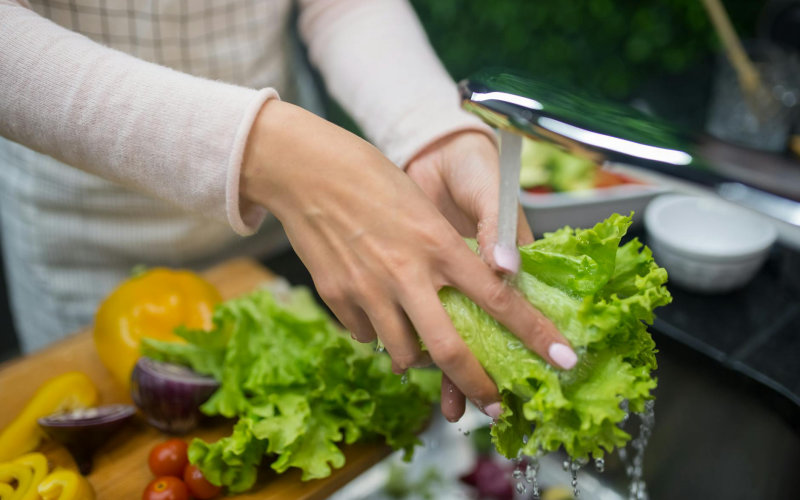
Moisture is the enemy of leafy greens. Before you refrigerate romaine or kale, dry them thoroughly. Wrap them loosely in a paper towel, tuck them into a container or zip bag with just a little air left inside, and store them on the lowest fridge shelf where it’s coldest. Done right, your greens can last 7 to 10 days instead of wilting by Thursday.
Celery is a special case. Wrap it tightly in aluminum foil before refrigerating. this traps the natural ethylene gas and keeps it crispy for up to two weeks. Plastic bags actually speed up the softening process, weirdly enough.
Carrots, broccoli, and cauliflower do best stored dry and loose in the crisper drawer. But don’t mix them with ethylene-producing items like apples. Apples will quietly age your broccoli faster than you’d expect.
Fresh Herbs Deserve Better Than a Cup of Water
Okay, so here’s where I’ll admit I was doing this wrong for years.
Soft herbs, basil, cilantro, parsley. should be treated like flowers. Trim the stems, stand them upright in a small glass with about an inch of water, and keep them on your counter away from direct sun. Basil especially hates the cold; refrigerating it turns the leaves black within a day or two.
Hardier herbs like thyme, rosemary, and oregano are different. Wrap them in a barely damp paper towel, slide them into a loosely sealed bag, and they’ll keep in your fridge for up to three weeks. That’s a genuinely useful amount of time.
The Paper Towel Rule Nobody Talks About
Almost every vegetable stored in a bag benefits from a paper towel tucked inside. The towel absorbs excess moisture, which is what causes that tragic, slimy bag situation I opened on Tuesday. Replace the paper towel every few days if the vegetable’s staying for a while.
And separate things that don’t get along. Ethylene-producing vegetables (like ripe tomatoes, stored at room temp) will age their neighbors fast. Keeping produce in individual bags rather than piled together in one drawer isn’t fussy. it’s genuinely effective.
What I’d Do Differently Starting This Week
Pick one habit. Just one. Maybe it’s moving your tomatoes out of the fridge today, or adding a paper towel to your spinach bag. The all-or-nothing approach is why most storage advice doesn’t stick, you read it, feel briefly inspired, then go back to your old crisper-drawer chaos.
Small, specific changes make a real difference over time. Your grocery budget will notice before your fridge does.
Photo by Kampus Production on Pexels