
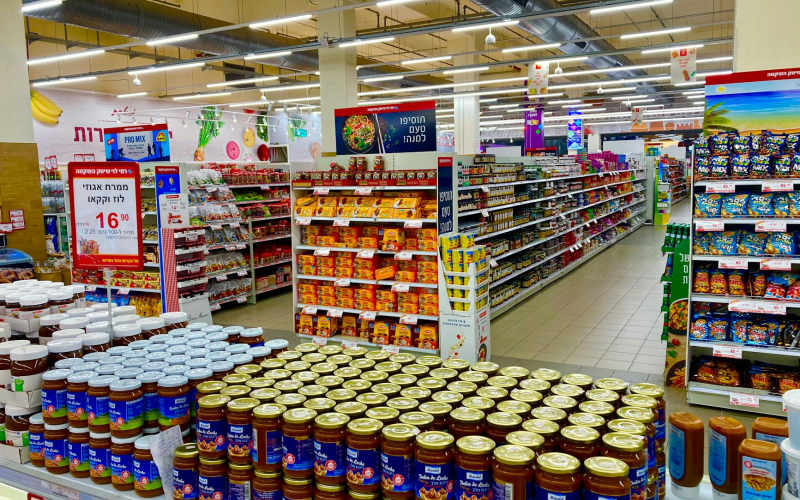


I’ve been grocery shopping for my family for over a decade, and I used to walk out of Kroger with $180 worth of stuff when I went in for $60 of groceries. Every. Single. Time. It drove me insane until I started actually digging into why it kept happening.
Turns out, it wasn’t me being impulsive. Well—not entirely. The store itself was working against me. And once you see the machinery behind it, you genuinely can’t unsee it.
Grocery stores spend millions engineering the exact path you walk, the smells that greet you first, and which products land at eye level. This isn’t paranoia. It’s retail science, refined since the 1950s when supermarket pioneer Sylvan Goldman invented the shopping cart specifically so customers could haul more stuff around.
The Produce Section Is a Psychological Trap
You walk in and immediately get smacked with bright colors, fresh mist, and the smell of earth and citrus. Feels wholesome, right? That’s calculated. Stores put produce at the entrance because it primes you psychologically—you feel like you’re making healthy choices, so your brain quietly grants you permission to be less disciplined later.
A 2015 study from the Cornell Food and Brand Lab confirmed this. Shoppers who lingered in produce first were significantly more likely to throw indulgent items in the cart afterward. The kale earns the cookies, so to speak.
So when I walk in now, I mentally call out the reset button they’re trying to push—and I stick to my list.
Dairy and Staples Are Buried on Purpose
Milk. Eggs. Bread. The stuff 90% of people need every single trip. Ever notice it’s always wedged into the absolute farthest corner of the store?
Not an accident. Store designers exile necessities to the back so you have to walk past literally everything else just to reach them. More exposure equals more temptation. Whole Foods puts their prepared foods smack in the middle for exactly this reason—it’s nearly impossible to beeline anywhere without catching a whiff of rotisserie chicken.
My fix: learn your store’s layout cold. Once you know where everything actually lives, you can cut a surgical path through without the scenic detour.
Eye Level Is a Paid Position
Those shelves sitting at roughly 4 to 5 feet up? Premium real estate. Brands pay slotting fees—sometimes tens of thousands of dollars—just to sit there. The store-brand equivalents? Crouching on the bottom shelf, near the floor.
And it works on kids too. Sugary cereals and aggressively packaged snacks consistently land at a child’s eye level. Lucky Charms isn’t at knee height by accident.
Always look up and down. The generic oats on the bottom shelf are frequently the exact same product in a different bag at half the price.
The Music, the Lighting, the Air Temperature
This sounds minor. It isn’t. A 1982 study by Ronald Milliman found that slow-tempo music made shoppers spend 38% more time in the store and pushed sales up significantly. Stores still use this. Soft lighting in the wine section nudges you to browse longer. And have you noticed grocery stores always run a little cool? Cold air keeps you alert—which, counterintuitively, actually increases impulse decisions.
None of this is random. Every sensory detail is a deliberate choice.
Bottom Line
Here’s something I haven’t seen anyone say plainly: the grocery store is the only retail environment where most people show up without any real spending limit in mind. You wouldn’t walk into Best Buy without a budget. But people stroll into Safeway every week thinking “I’ll just grab a few things” and hand over $200 without blinking.
The real fight isn’t against clever shelf placement—it’s against the mental framing that grocery shopping is somehow casual. Treat it like any other purchase decision. Write the list. Set the number. And suddenly the layout stops mattering nearly as much.
Frequently Asked Questions
Why is the bakery usually near the entrance of grocery stores?
The smell of fresh bread triggers hunger and emotional comfort, both of which make you more likely to spend. Scent is one of the fastest routes to impulsive decision-making—and stores know it.
Does shopping with a list actually help?
Dramatically. A 2020 study published in the Journal of Nutrition Education found that list-users spent 23% less per trip on average and made fewer unplanned purchases.
Are store brands actually the same quality as name brands?
Often, yes. Many store-brand products roll off the same manufacturing lines as their name-brand counterparts. Costco’s Kirkland line is the most famous example—plenty of those items are literally made by the brand-name company with a different label slapped on.
What’s the single best habit to avoid overspending at the grocery store?
Eat before you go. Hunger is the most exploitable emotional state you can bring into a grocery store, and every trick in the building hits harder on an empty stomach.
Photo by Aqsawii on Pexels