
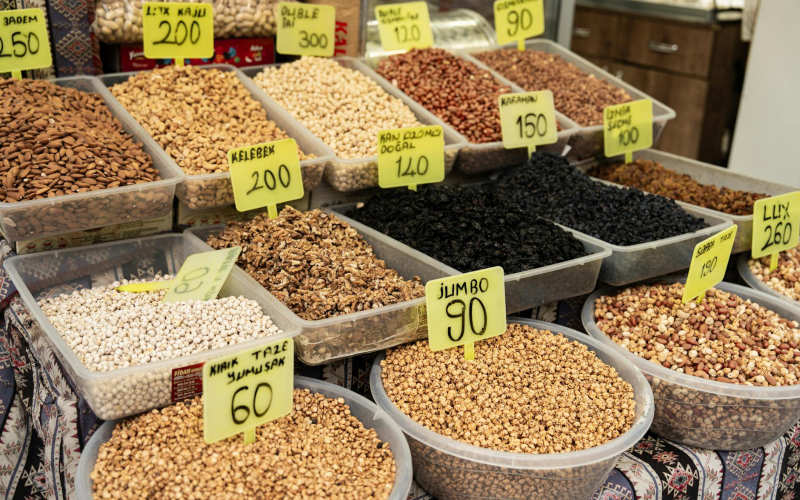


I’ve thrown away more than I’d like to admit. A 25-pound bag of rice I was convinced I’d demolish in six months. Lentils from 2019 that somehow survived three apartment moves before I finally pitched them in 2022. And a truly humiliating quantity of brown sugar that had solidified into something I could’ve used as a doorstop.
Bulk buying at warehouse stores like Costco or Sam’s Club is genuinely one of the sharpest ways to slash your grocery bill — a 2022 USDA report found American households waste roughly $1,500 worth of food every year, and a massive chunk of that is dry goods people bought with the best intentions and never touched. But here’s the thing: bulk buying only saves you money if you actually use what you buy. Otherwise you’re just prepaying for the trash can.
Here’s what actually works, after years of doing this badly and slowly, painfully figuring it out.
Know Your Household’s Real Consumption Rate Before You Shop
This sounds obvious. It isn’t. Most people guess, and guessing wrong gets expensive fast.
Spend two weeks tracking how quickly you burn through staples. We go through a pound of pasta every 10 days, which means a 6-pound Costco bag lasts us roughly two months. That’s genuinely useful to know. What’s your rice burn rate? Do you bake often enough to justify a 10-pound bag of all-purpose flour, or are you kidding yourself?
Write the actual numbers down. Then you’ll know whether a 50-count box of oatmeal packets makes any sense or whether half of it will quietly expire while you’re not looking.
Divide and Conquer Immediately When You Get Home
Don’t let the giant bag sit unopened on the floor. That’s exactly where things go wrong.
The same day you bring it home, break the bulk purchase into smaller, workable portions. Vacuum-seal bags are your best friend here — a FoodSaver model runs about $60 to $90 on Amazon and pays for itself pretty quickly when you’re buying 10-pound bags of nuts or coffee. Oxygen absorbers (you can get 100 of them for under $10) work beautifully for long-term grain storage too.
Pull out what you’ll realistically use in the next two weeks and put it in a pantry container. Seal everything else.
Master the FIFO Rule (It’s Not Complicated)
First In, First Out. New stuff goes behind old stuff. Every single time, no exceptions.
Sounds simple because it is — but you’d be surprised how many people stack the fresh bag on top and then wonder why they keep finding expired products shoved to the back. This matters especially for things like baking powder, which loses its punch after just 6 to 12 months even when it’s been sealed properly.
Label everything with the purchase date. A Sharpie on masking tape takes about four seconds.
Store Things Where You’ll Actually See Them
Out of sight really is out of mind. That’s not a cliché — it’s how pantries turn into food graveyards.
Clear containers on open shelving beat opaque bins on high shelves every time. A 2021 study from Cornell’s Food and Brand Lab found that people eat roughly 20% more of foods stored in clear, visible containers compared to foods tucked away out of eyeline. The practical takeaway: move your bulk beans and grains somewhere you’ll actually look at them every day.
Build Meals Around What You Already Have
Before each week’s meal planning, check your bulk inventory first. This one habit is what actually closes the loop.
Got quinoa that’s been sitting untouched for three months? Make quinoa bowls twice that week. Got a big container of panko breadcrumbs from your last Costco haul? Commit to a breaded dish. So straightforward — and yet most people plan meals and then shop, rather than flipping that order around.
Bottom Line
Here’s something nobody really says out loud: the problem with bulk buying isn’t storage or portioning or rotation. It’s that people shop aspirationally rather than honestly. They grab the 10-pound bag of almond flour because they intend to bake more. But buy for who you actually are right now, not for the tidier, more organized version of yourself you keep planning to become. That’s the real answer, and honestly it applies to more than just groceries.
Frequently Asked Questions
How long do bulk dry goods actually last if stored properly?
Most whole grains hold up for 2 to 3 years in airtight containers. White rice can last up to 30 years when sealed with oxygen absorbers. Flour and baking powder are shorter — 12 to 18 months, tops. Always check USDA food safety guidelines for specific items.
What containers work best for bulk dry goods storage?
Glass mason jars for smaller quantities, food-grade 5-gallon buckets with gamma lids for large volumes, and vacuum-sealed bags for anything you’re holding longer than six months. Skip the thin plastic bags — they’re nowhere near airtight enough for serious storage.
Should I buy bulk dry goods if I live alone?
Yes, but be selective about it. Stick to things you eat constantly — rice, oats, pasta, lentils — and skip perishable-adjacent items like nuts (which go rancid faster than you’d expect). And honestly, splitting a bulk purchase with a friend or neighbor is the smartest move you can make as a single-person household.
What’s the biggest mistake people make when buying bulk?
Buying variety instead of volume. Grabbing one bag of every interesting grain at Costco and then never using any of them consistently. Pick three or four staples you genuinely cook with all the time and buy those in bulk. Everything else, buy small.
Photo by Ahmed on Pexels