


I’ve been tracking grocery prices for years. Not obsessively — but enough to notice that most people leave serious money on the table simply because they buy things whenever they need them, not when those things are actually cheapest.
The average American family spends around $5,700 a year on groceries, per USDA 2023 food expenditure data. Time even a fraction of your bigger purchases around predictable sale cycles, and you could realistically cut 15-20% off that number. That’s $850 or more back in your pocket.
Here’s the thing stores don’t advertise: discounts aren’t random. Sales follow the calendar. Holidays, harvests, inventory cycles, manufacturer promotions — they all drive prices down at predictable times, year after year. Once you see the pattern, shopping smart becomes almost second nature.
1. Whole Turkeys and Large Roasts (November)
Obvious, sure. But worth saying anyway. Whole turkeys hit rock bottom in November — I’ve personally seen Butterball birds drop to $0.49/lb at Kroger during Thanksgiving week, versus $2.50/lb in March. That’s not a rounding error.
Buy multiple birds if your freezer has room. They keep up to a year frozen. And don’t sleep on pork roasts during this same stretch — retailers slash them aggressively to compete for your holiday dinner dollars.
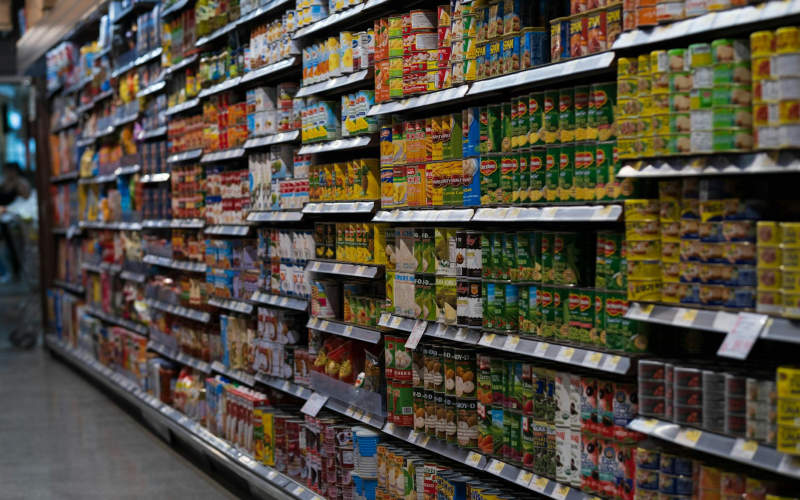
2. Canned Goods (November and Late December)
Soup, beans, canned tomatoes — all of it gets hammered down during holiday prep season. Campbell’s, Progresso, and store brands routinely drop 40-50% at major chains between Halloween and New Year’s. This is your pantry-building window.
Canned goods last 2-3 years. Buying six months’ worth of canned beans in December instead of February literally pays for itself. Load up.
3. Strawberries and Fresh Berries (May-June)
Peak domestic strawberry season in the U.S. runs May through early July. During that stretch, pints routinely fall from $4.99 down to $1.49 — sometimes lower when there’s an oversupply. I grabbed 8 pints at Aldi in June 2022 for a dollar each and froze most of them.
Buy extra. Freeze them flat on a sheet pan first so they don’t clump together. You’ll thank yourself in January when you’re blending them into smoothies.
4. Grilling Meats — Burgers, Ribs, Chicken (Late August)
Labor Day is the unofficial funeral for grilling season, and retailers know it. Ground beef, chicken thighs, pork ribs — all of it gets marked down hard in the last two weeks of August as stores clear summer inventory. Honestly, this might be the single most predictable sale pattern in the entire grocery calendar.
Freeze whatever you buy. Ground beef holds up beautifully for 4 months.
5. Baking Staples — Flour, Sugar, Butter (October-November)
Butter prices swing wildly throughout the year. But every October, ahead of holiday baking season, chains like Walmart and Target run promotions on baking staples specifically to pull you through the door. Flour, sugar, baking powder, chocolate chips — all of it sees real discounts.
Buy your entire year’s supply during this window if you can. Flour lasts 8-12 months sealed. Sugar? It basically never expires.
6. Citrus Fruits (January-February)
Navel oranges, grapefruit, clementines — they peak in quality AND hit their lowest prices in January and February. Florida and California harvests flood the market right after the holiday rush dies down, and you benefit directly.
This is genuinely the best citrus you’ll eat all year, at the cheapest price you’ll see all year. Don’t skip it.
7. Seafood (Lent — February through April)
Demand for fish spikes every Lent, and counterintuitively, so do the sales. Retailers pre-discount frozen and fresh fish to capture Catholic shoppers and their families. Shrimp especially — I’ve watched 2-lb bags drop from $18 to $9 at Publix in March without breaking a sweat.
Stock your freezer with frozen shrimp during this window. No hesitation needed.
Bottom Line
Here’s something I genuinely haven’t seen anyone else say outright: the best way to use seasonal sale patterns isn’t just saving money on things you already buy — it’s letting the sales decide what you cook that month. Build your meal plan around what’s cheap, not the other way around. Most food budgets collapse because people plan meals first and shop second. Flip that habit, and you’ll spend less, waste less, and feel none of the sacrifice.
Frequently Asked Questions
How do I know when specific grocery items that go on sale by month seasonal patterns apply in my area?
Download the Flipp app and plug in your local store preferences. It pulls weekly circulars from every major chain in your zip code so you can check actual sale prices without leaving your couch. Sunday mornings are a good habit.
Does stockpiling actually save money or does it just change when you spend it?
It saves real money — but only on non-perishables and freezer-friendly items. Buying 10 cans of tomatoes at $0.50 each instead of $1.10 each over the next 10 months is a genuine $6 saving. Buying perishables in bulk you won’t use in time? That’s just expensive trash.
What months are the slowest for grocery sales overall?
January (after the holiday surge settles) and late September both tend to have the fewest deep discounts. Retailers assume your pantry is either stuffed from the holidays or you’ve drifted back to routine shopping. Bad months to stock up on anything significant.
Should I buy store brands or name brands when both are on sale?
Depends on what you’re buying. Staples like flour, sugar, canned beans, frozen vegetables — store brands are essentially identical to name brands. But for butter, chocolate chips, or pasta sauce, a name brand on sale will often beat the regular store brand price AND taste noticeably better.
Photo by ha ha on Pexels